Collaborative design with/for human and non-human communities
Narrative Frameworks for Nature-Based Solutions in East Boston
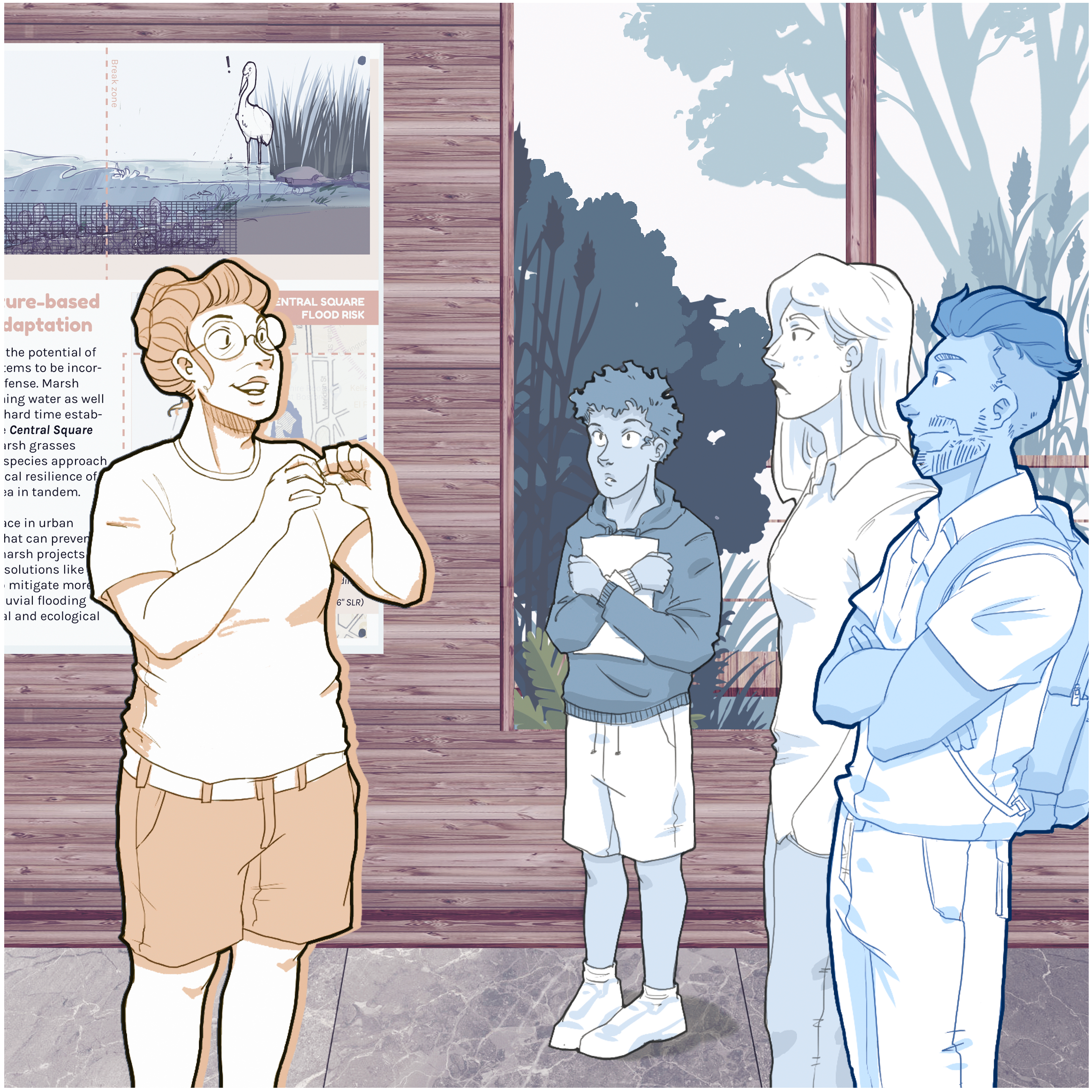
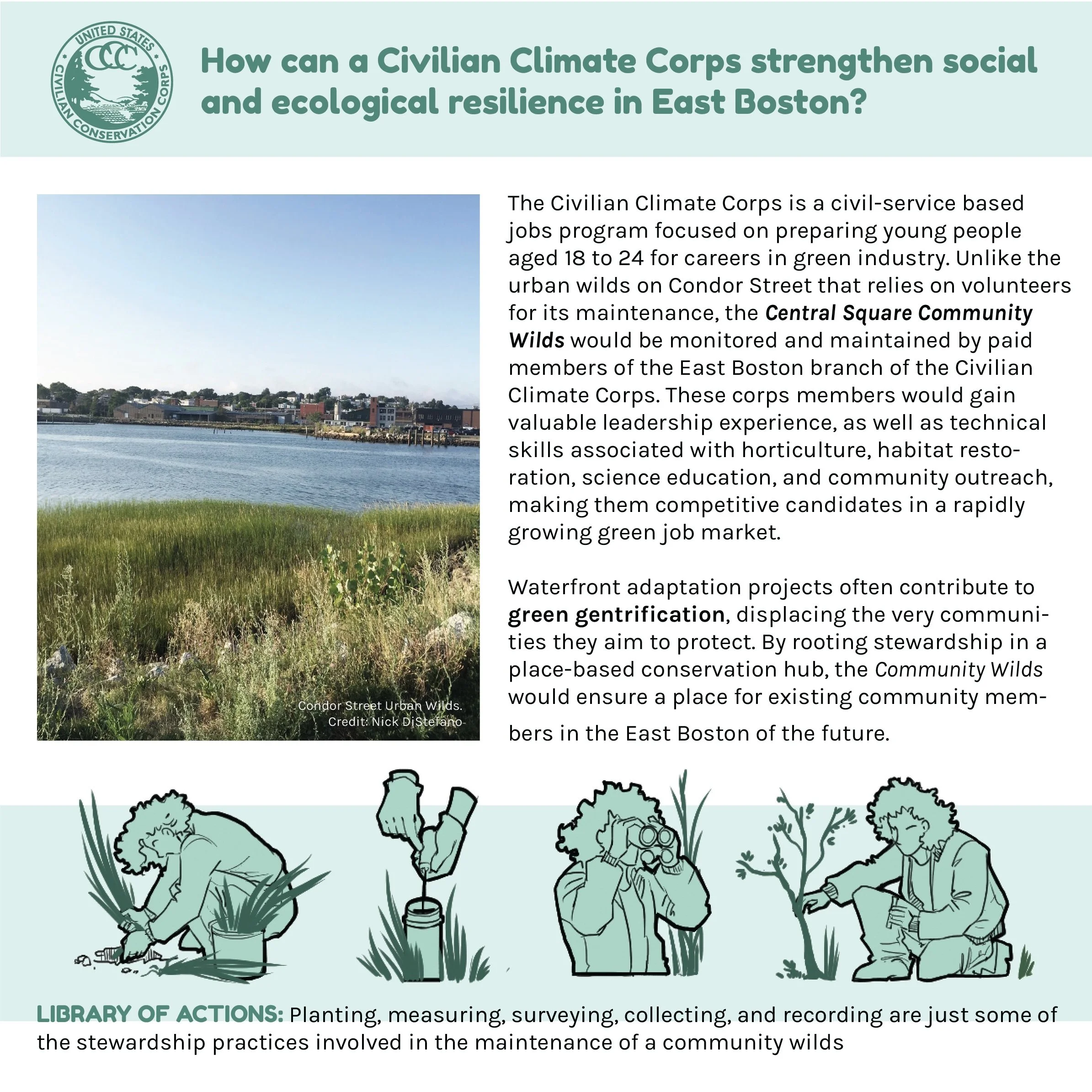
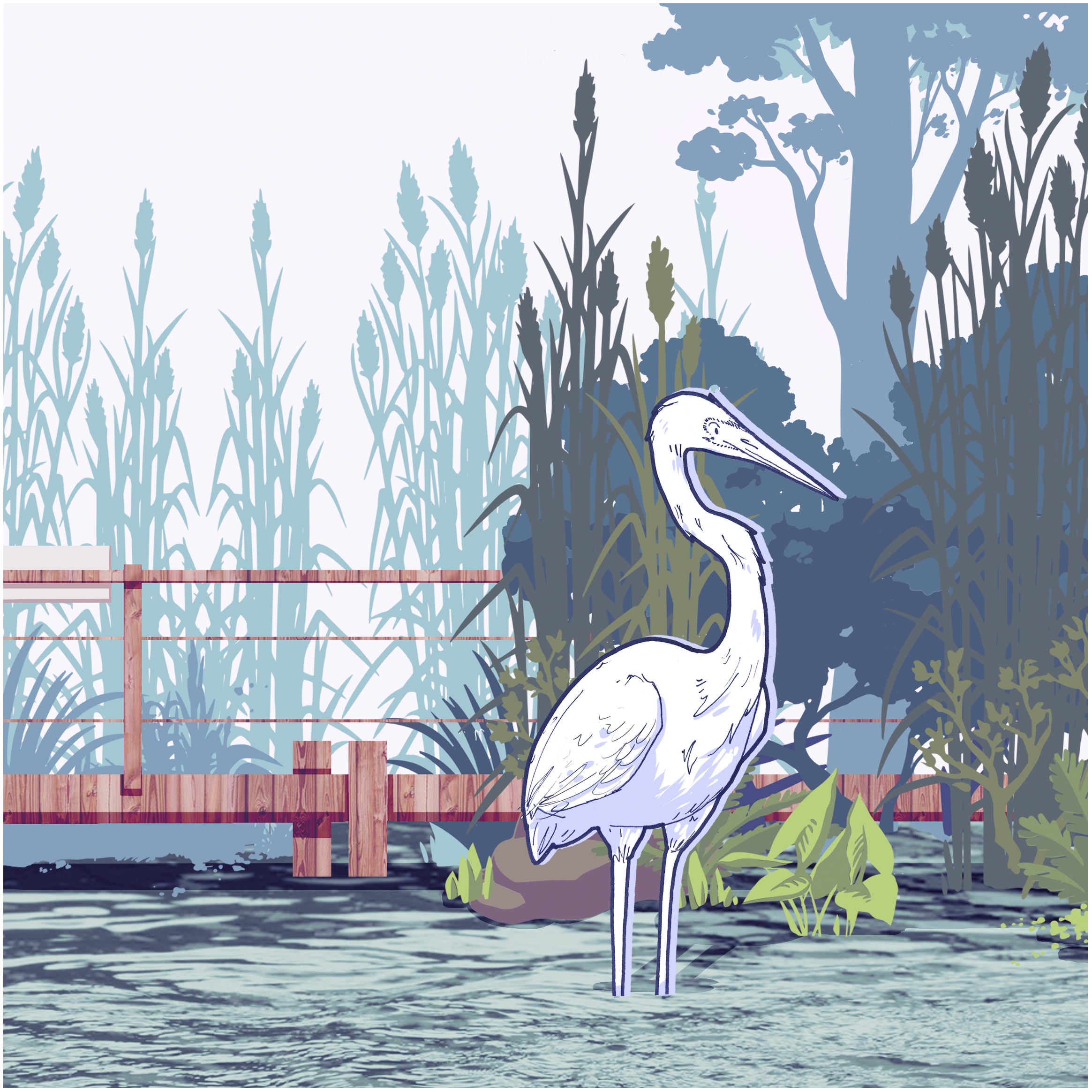
How can natural systems be combined with traditional infrastructure to reduce flood risk in East Boston? How can waterfront adaptation founded in community-led stewardship support urban wildlife? How can urban greenspaces prepare young adults in East Boston for careers in green industry? Through the eyes of Edgar the Egret, Ava the Engineer, Theo the Corps Member and Marco the Community Activist, these narrative frameworks seek to highlight the physical, ecological, and social co-benefits associated with the implementation of a stewardship-driven nature-based solutions in East Boston’s Central Square.
Academic, MIT

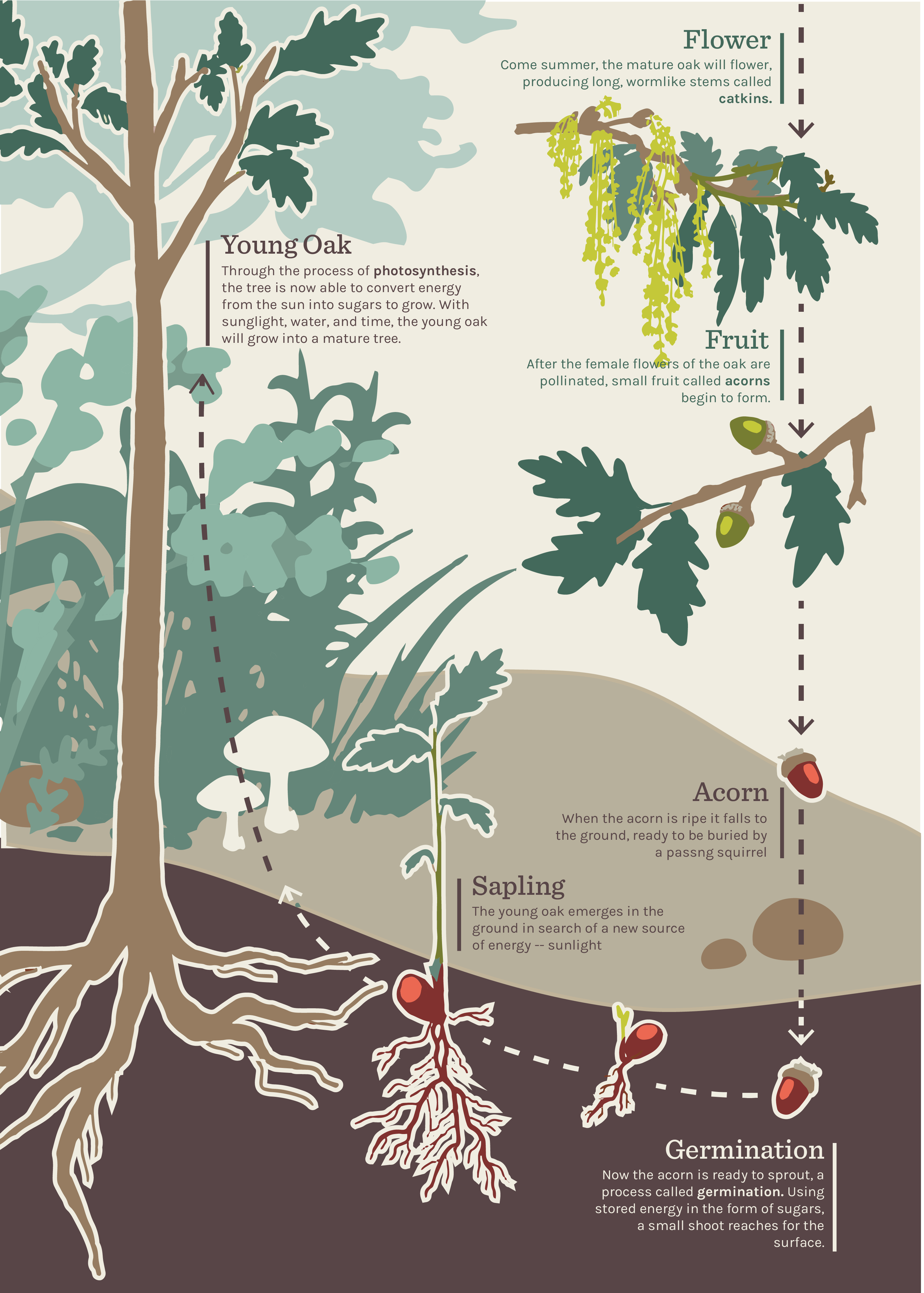
Woodland and Wetland Ecosystem Illustrations
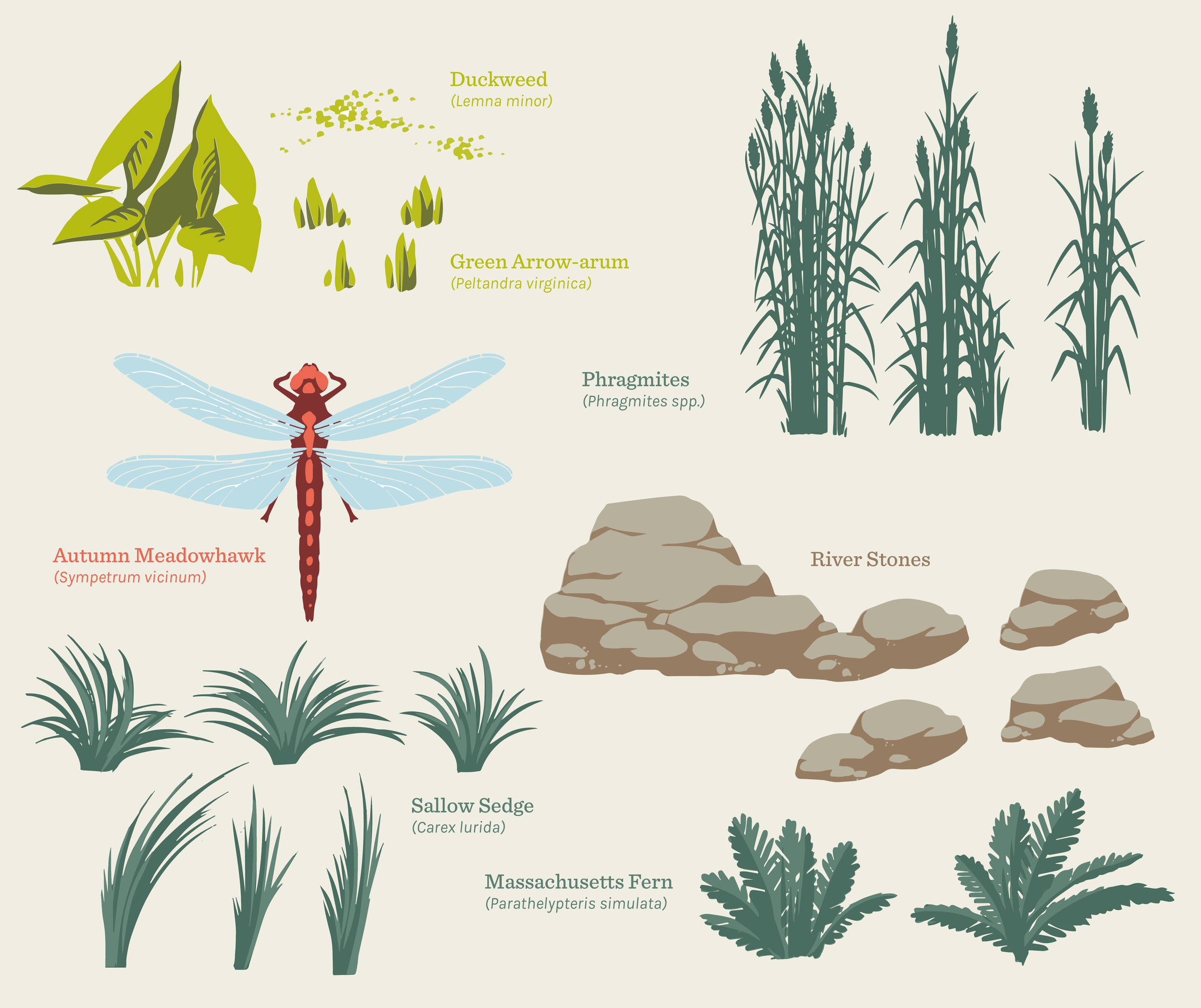
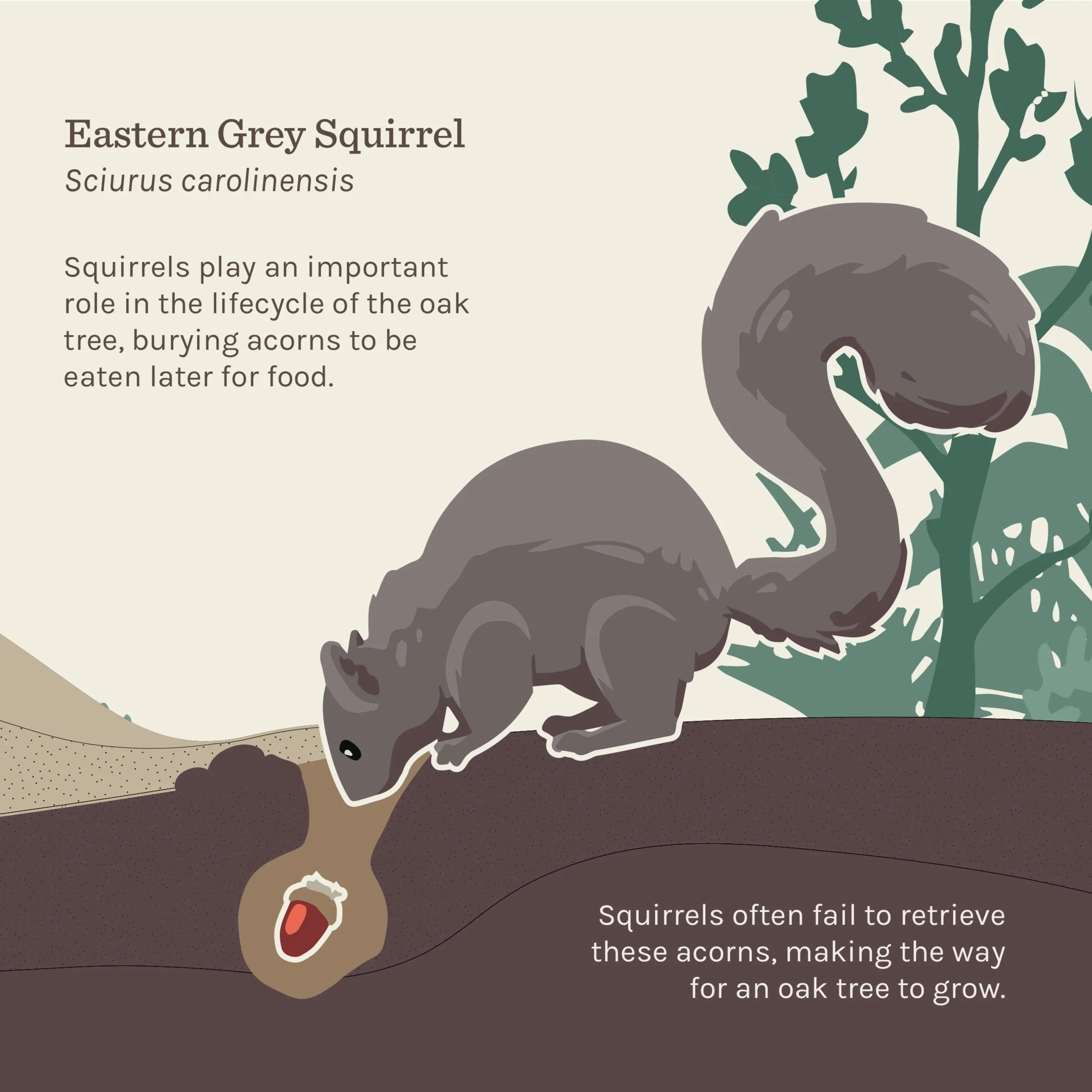
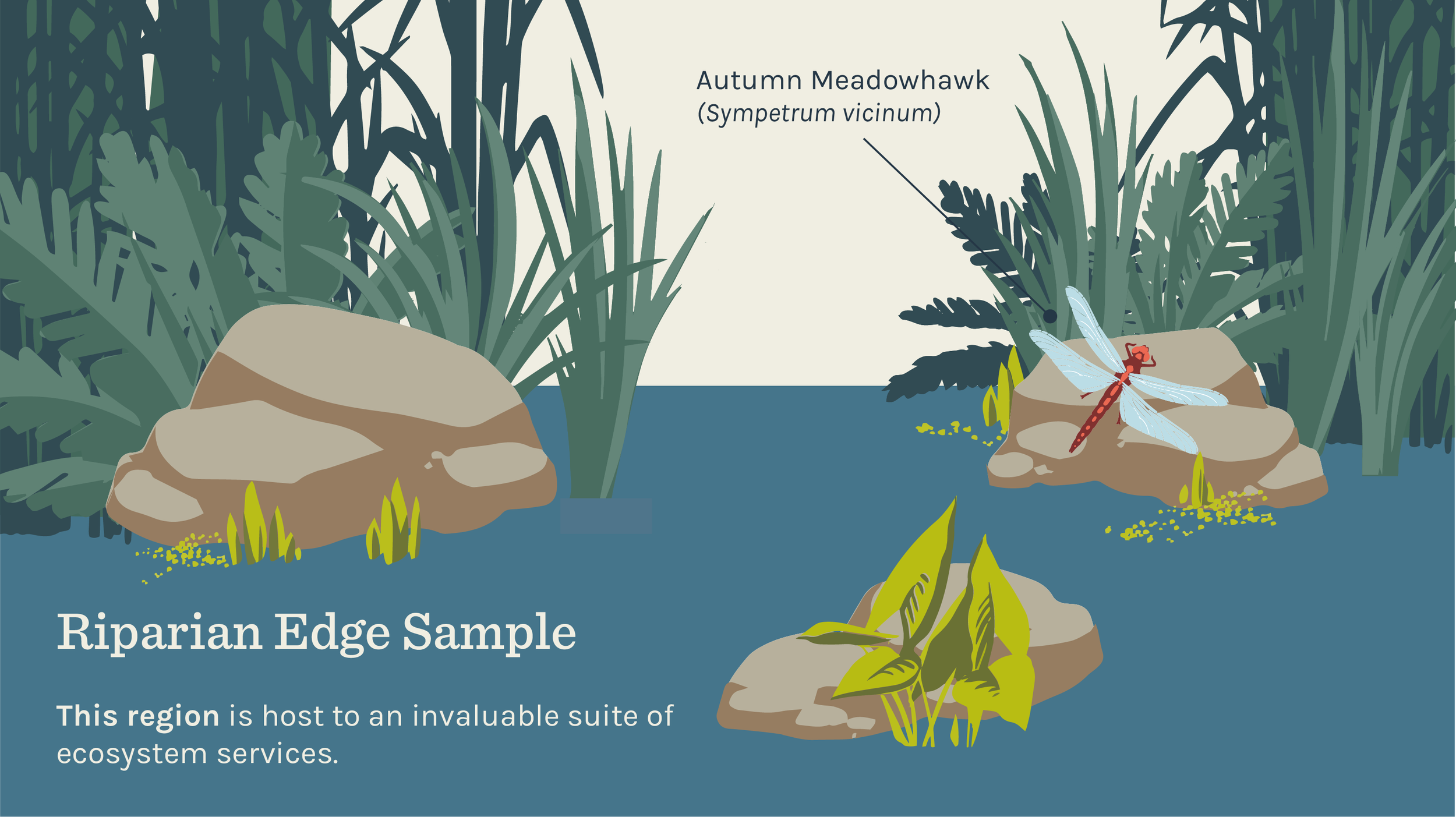
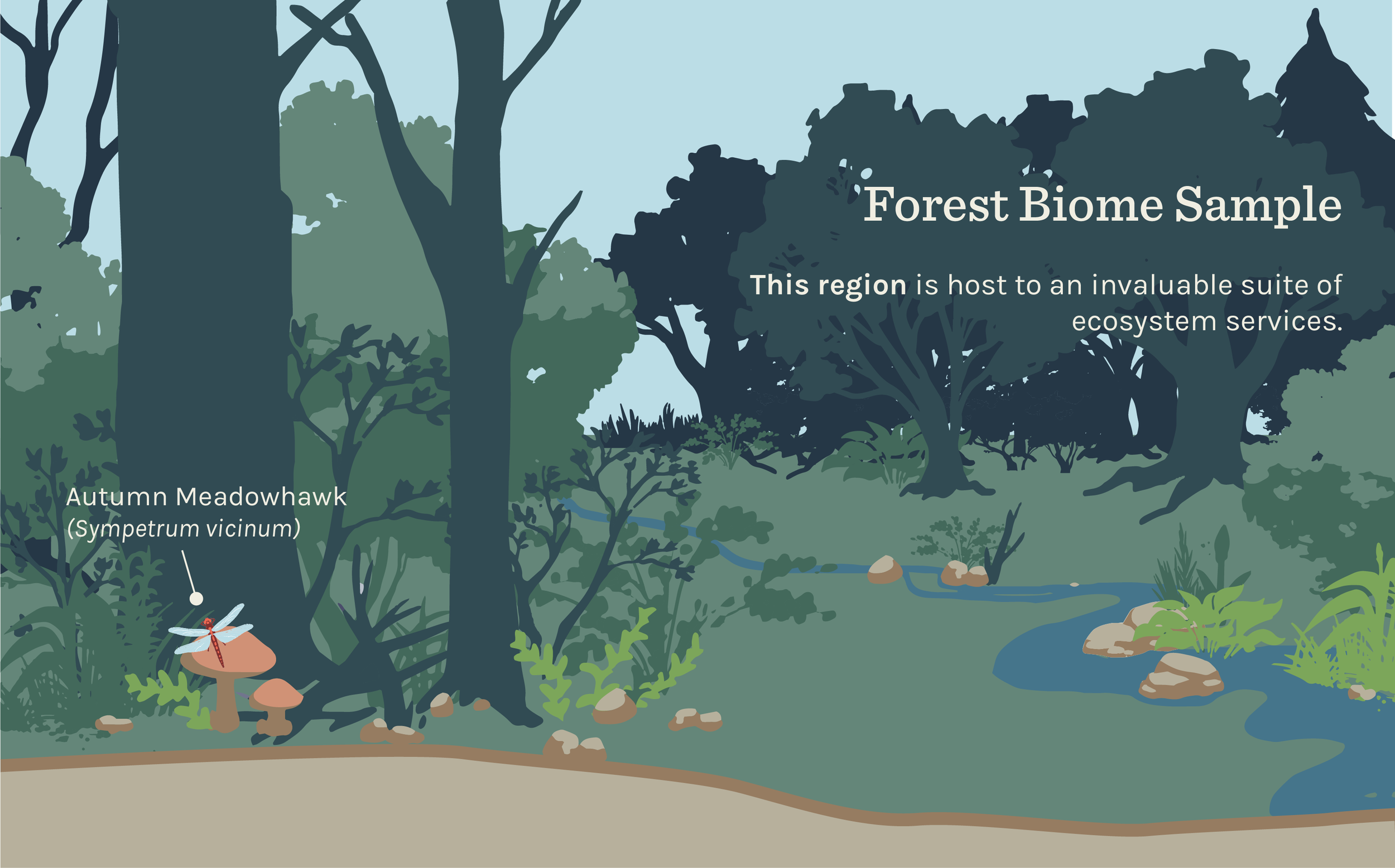
In the spirit and graphic language of Massachusetts Audubon, conceptual illustrations were drafted for the design of an educational installation at Magazine Beach Park meant to highlight ecosystem services provided by local woodland and riparian ecosystems.
Professional, MIT Urban Risk Lab
Technologies for Rural Sustainability in Colombia, MIT Media Lab
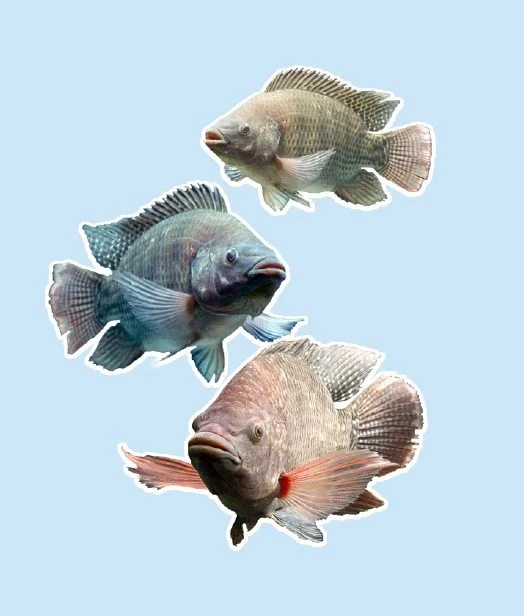
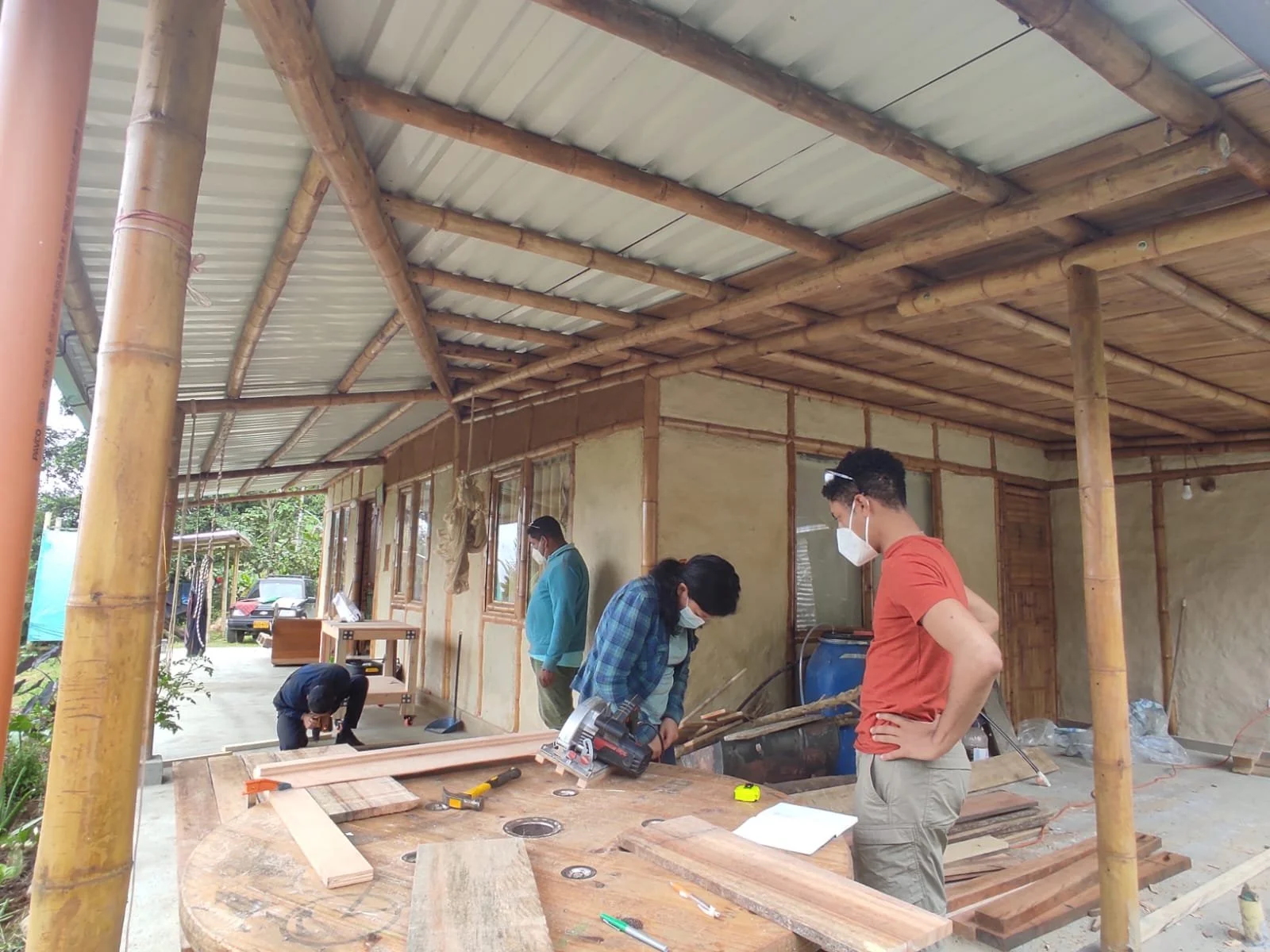
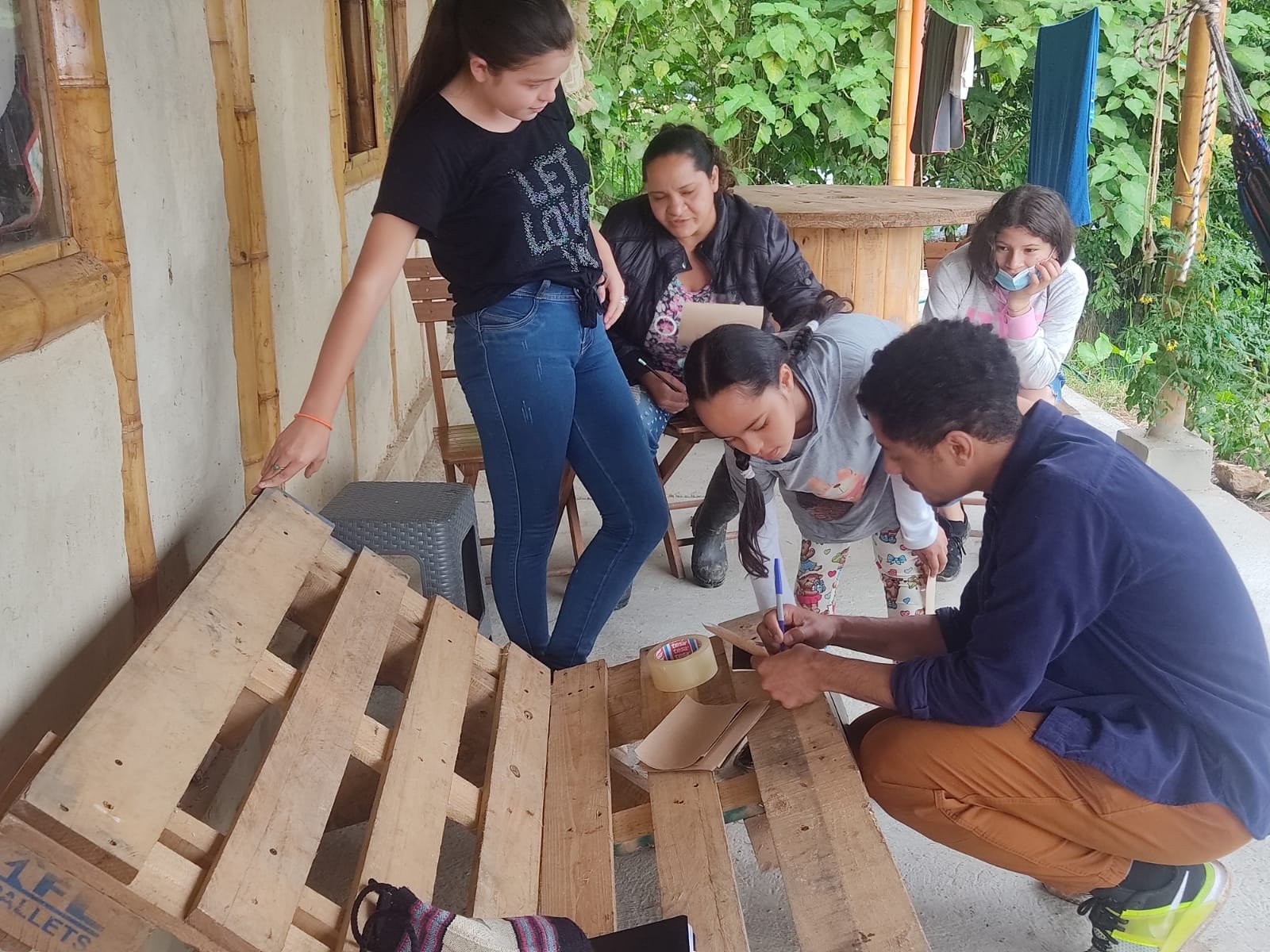
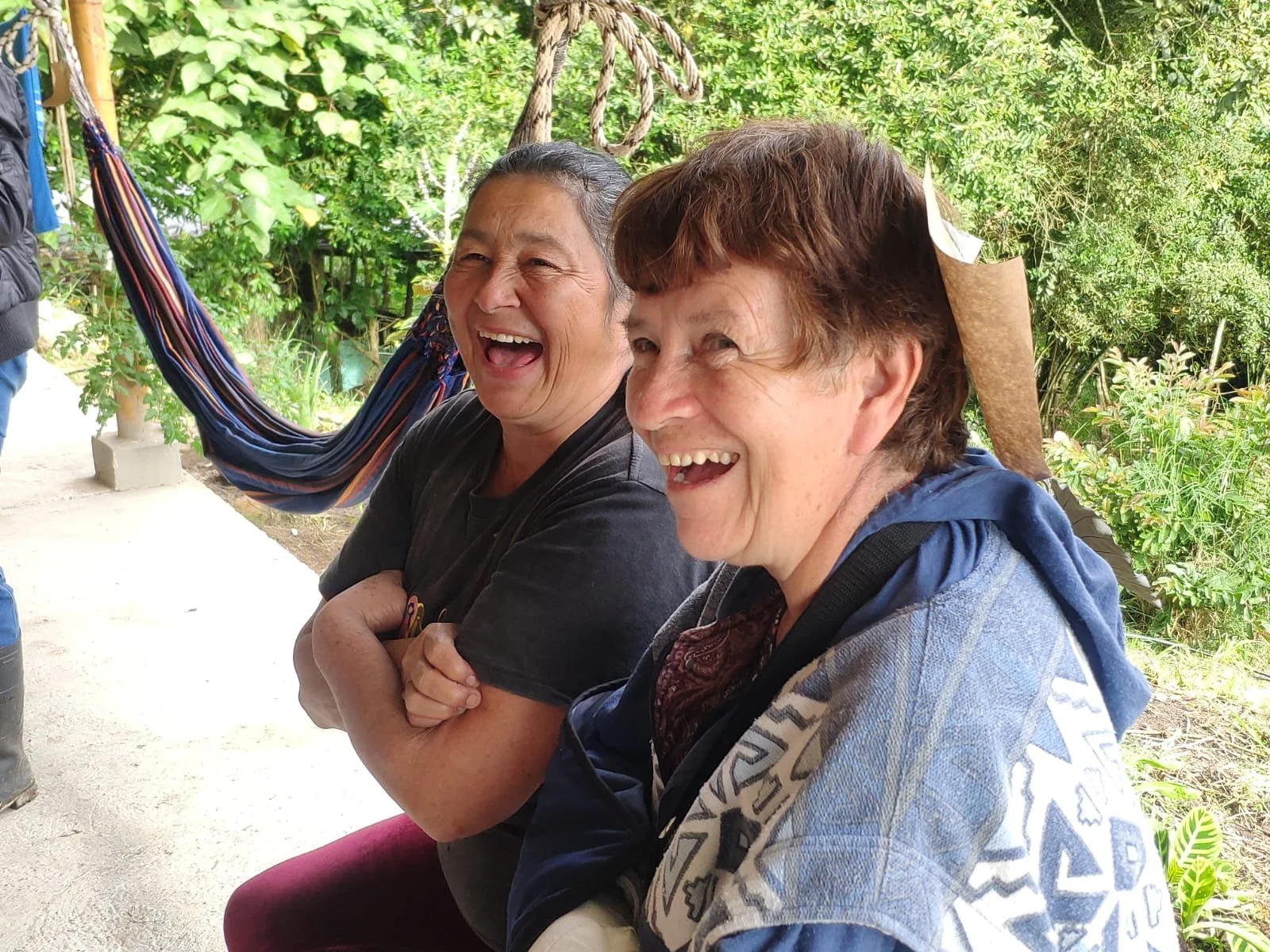
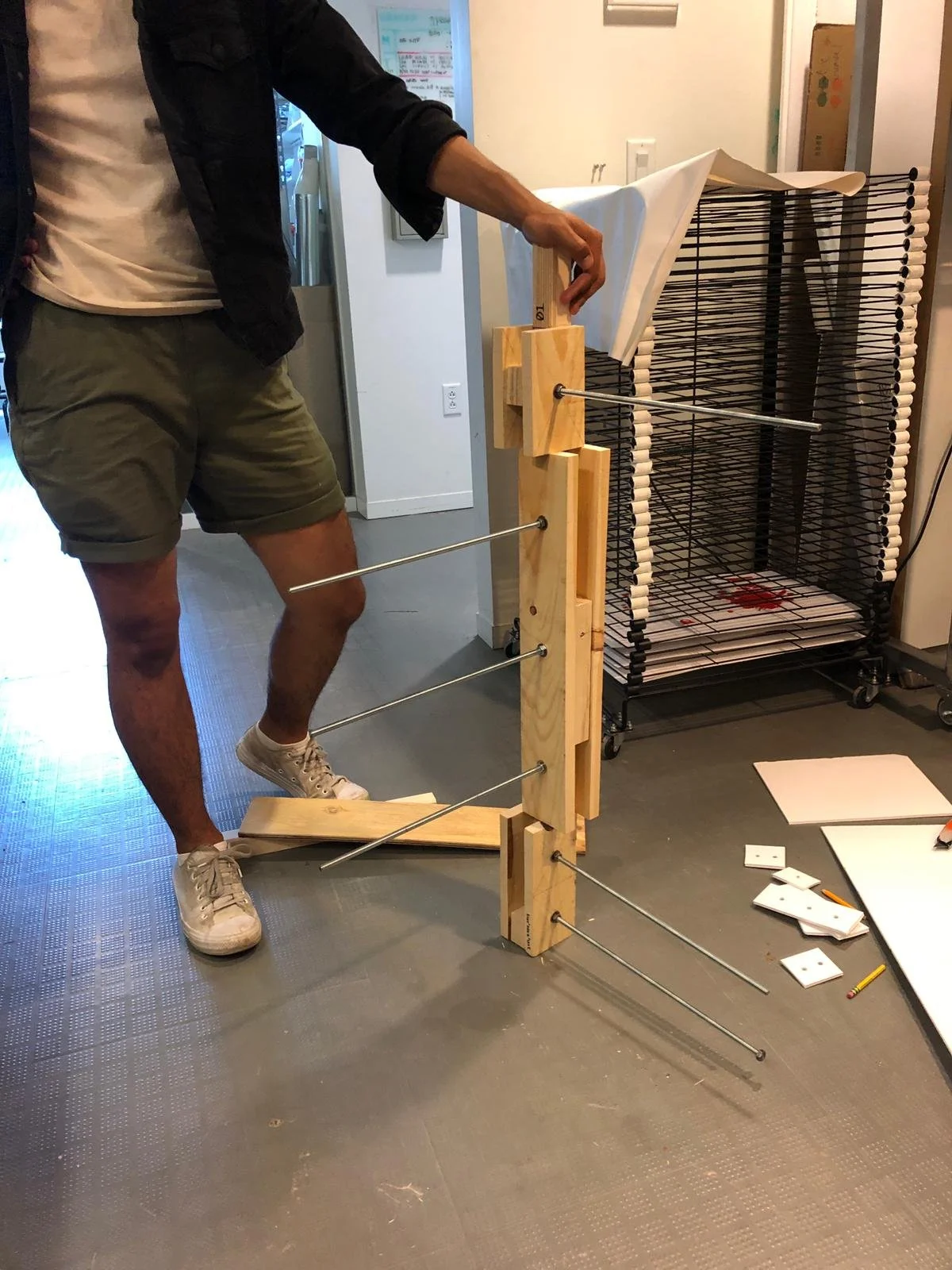
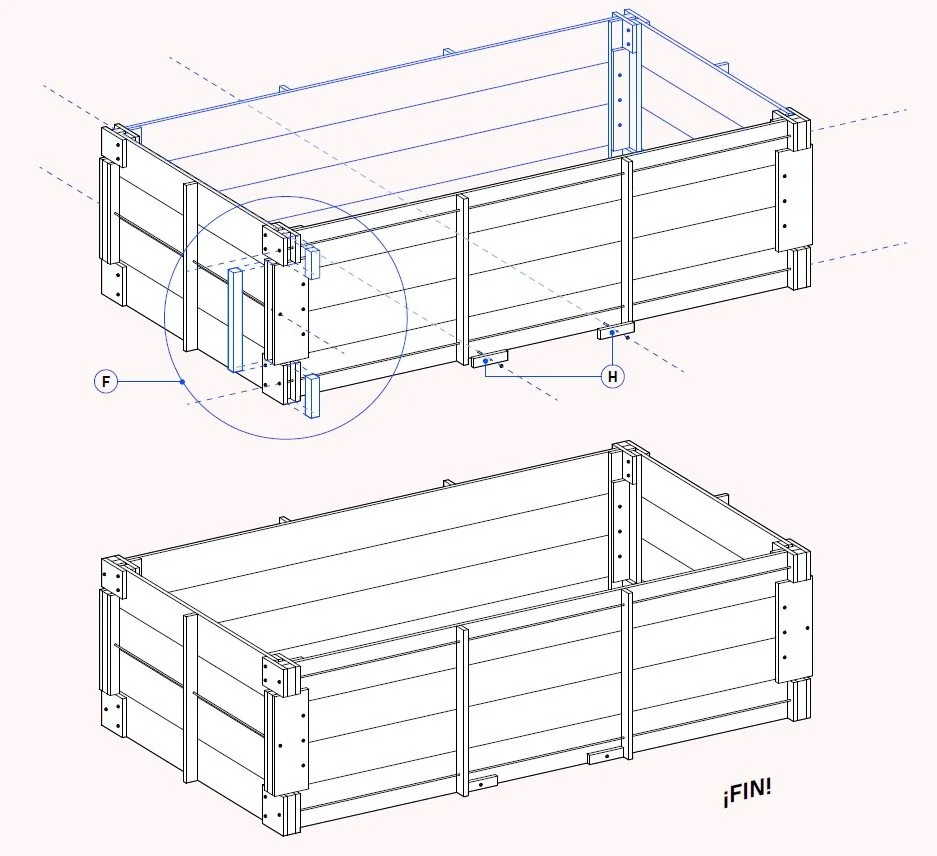
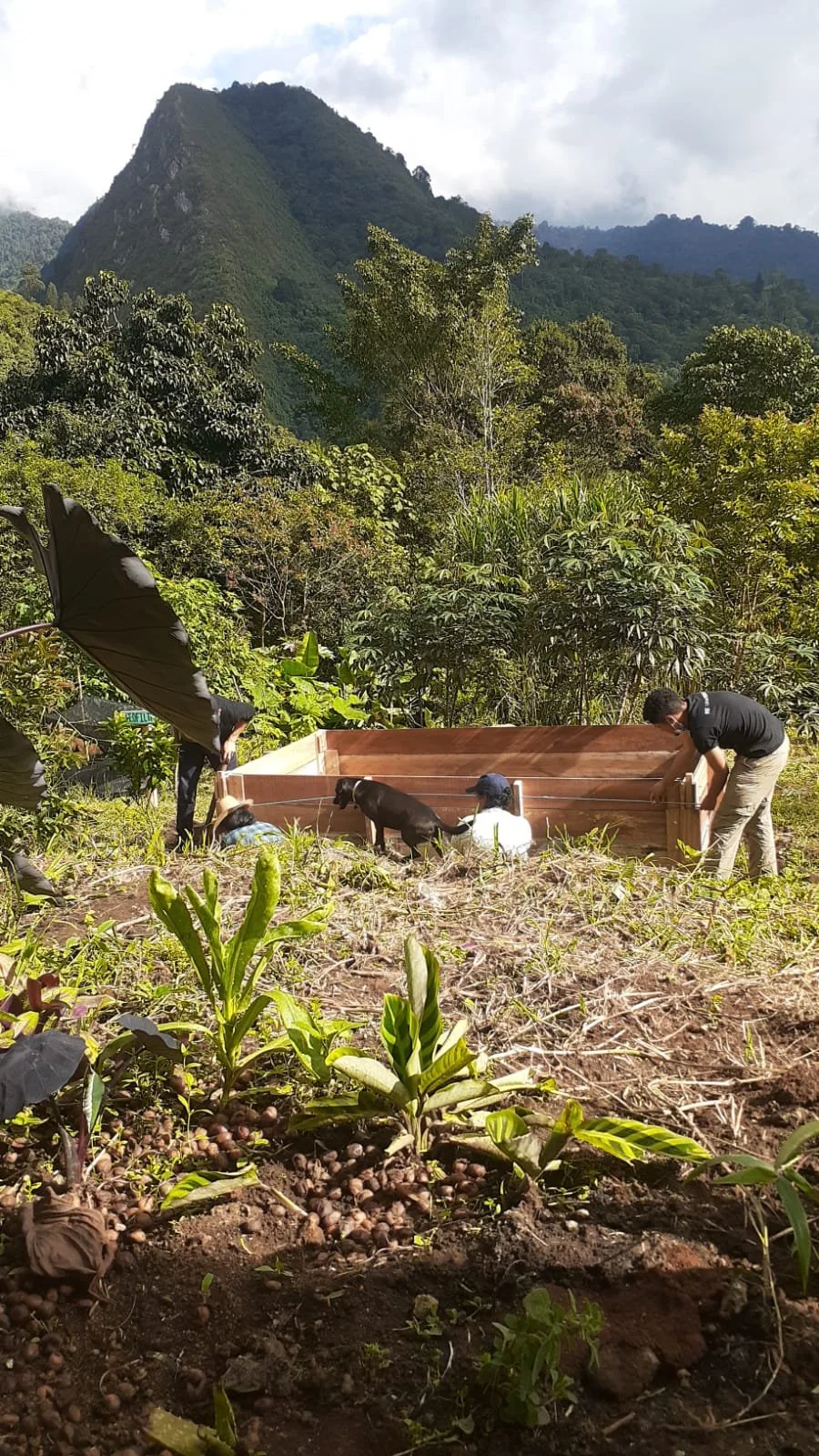
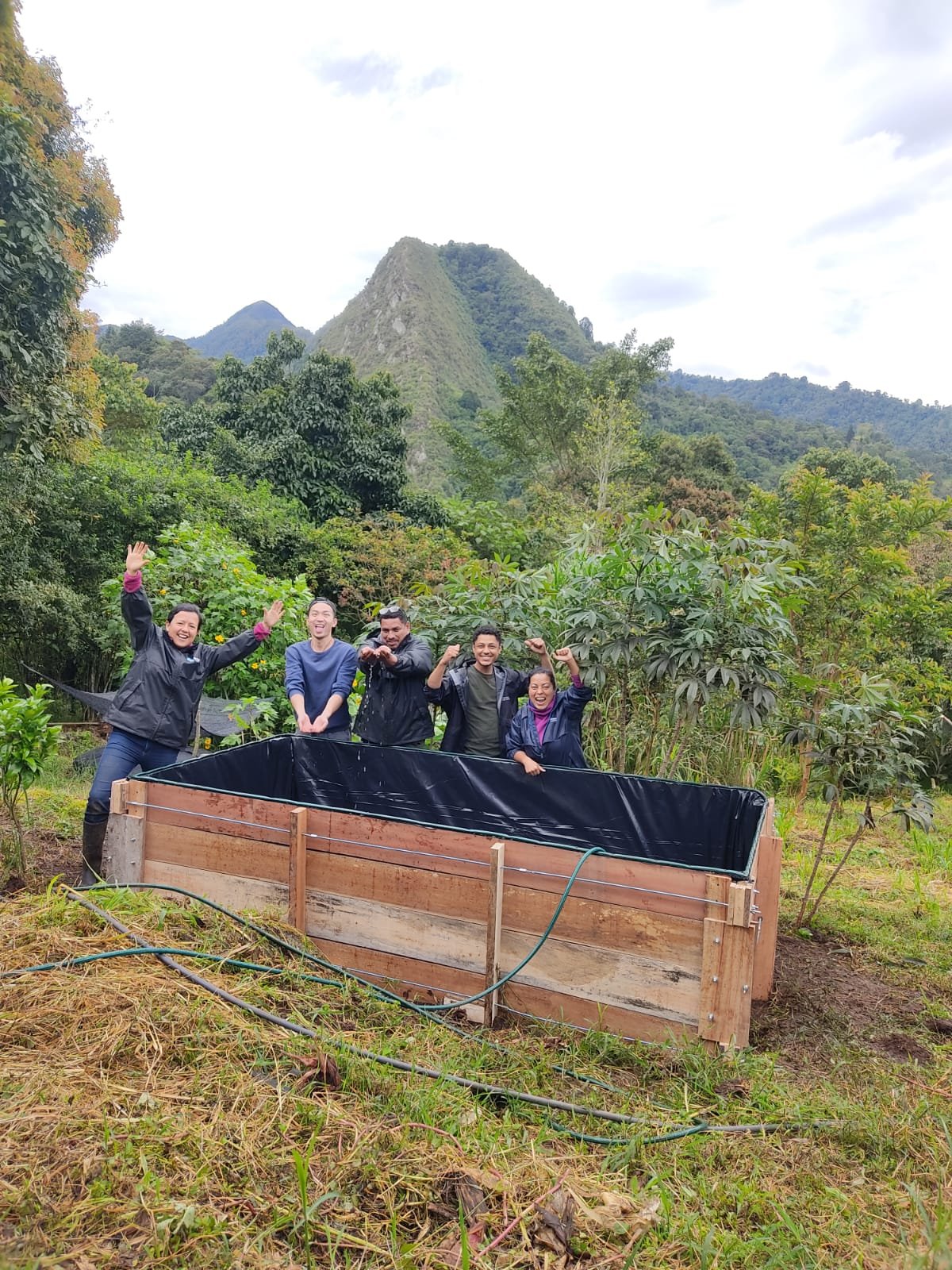
An interdisciplinary design cohort of students (from MIT and other universities in Latin America) and Colombian agricultural professionals spent ~6 months co-designing technologies for implementation in rural Colombia. My team and I focused on the design of a fishpond for artisanal tilapia farmers that could be easily assembled and disassembled, being mindful of local material availability. We also explored improvements to tilapia husbandry techniques like biofiltration and organic fish food alternatives. In Summer 2022, my teammates and I traveled to Colombia to install the prototype with our community partners.
More information about this project and the facilitators can be found here
Academic, MIT
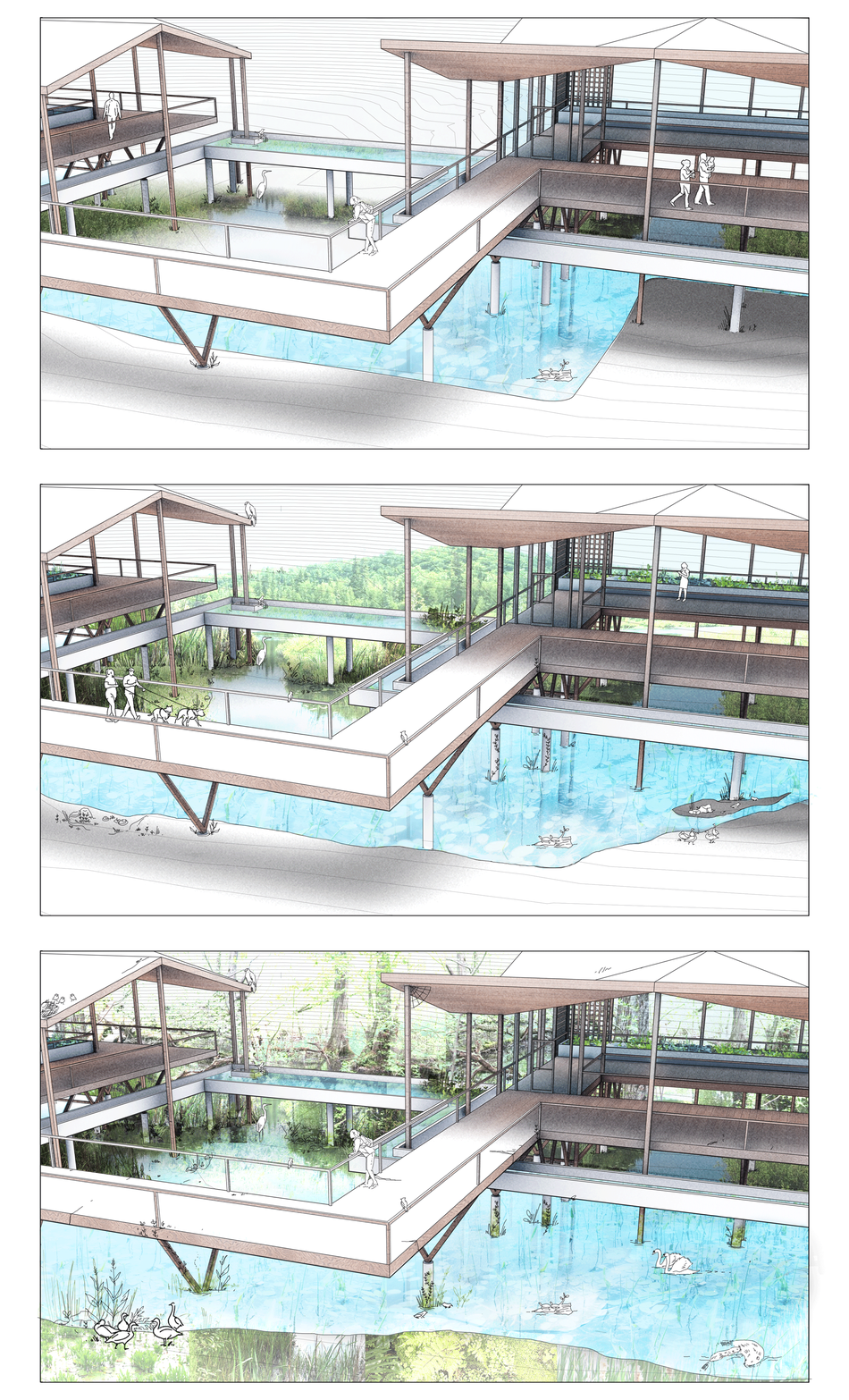
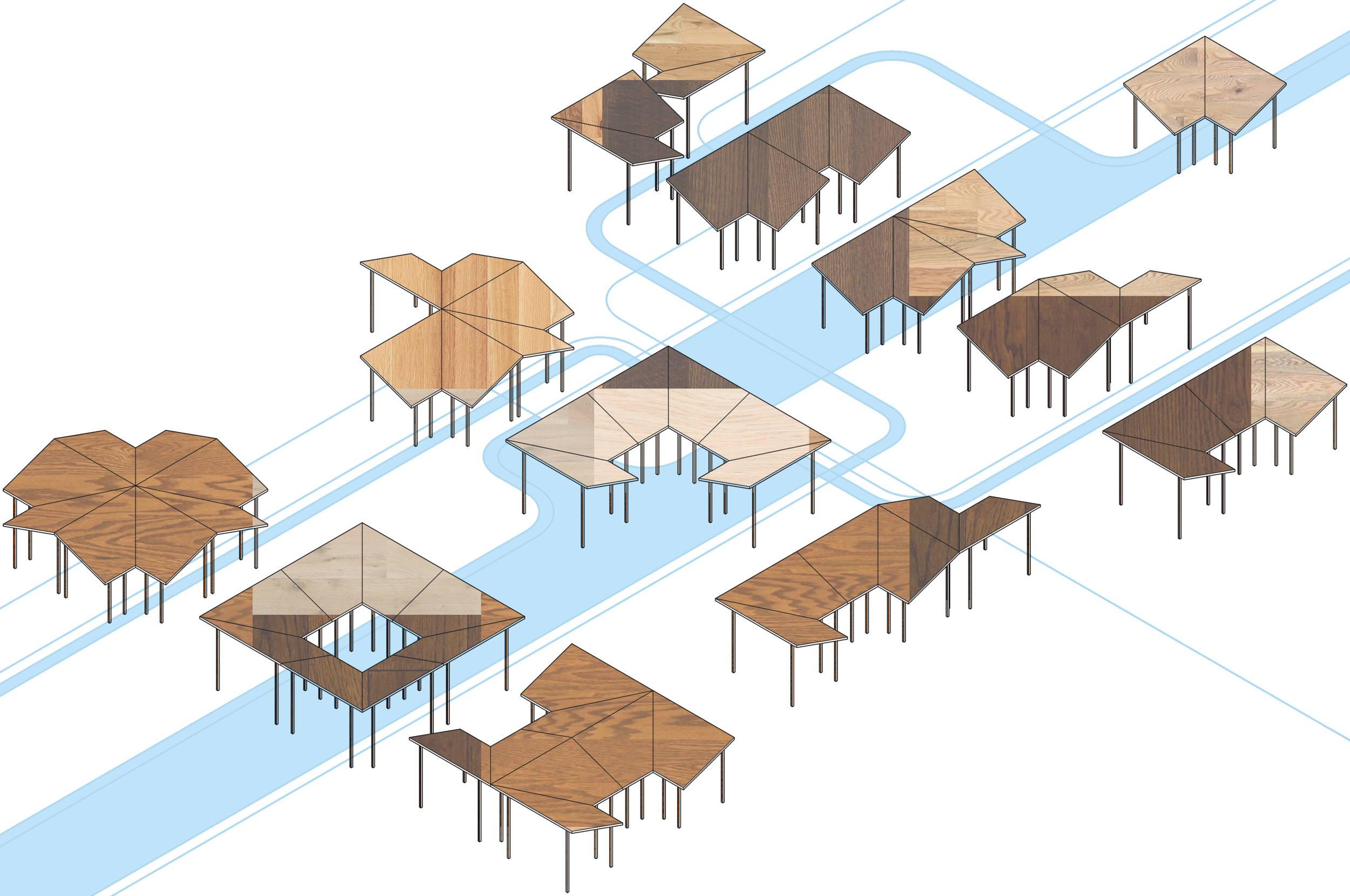
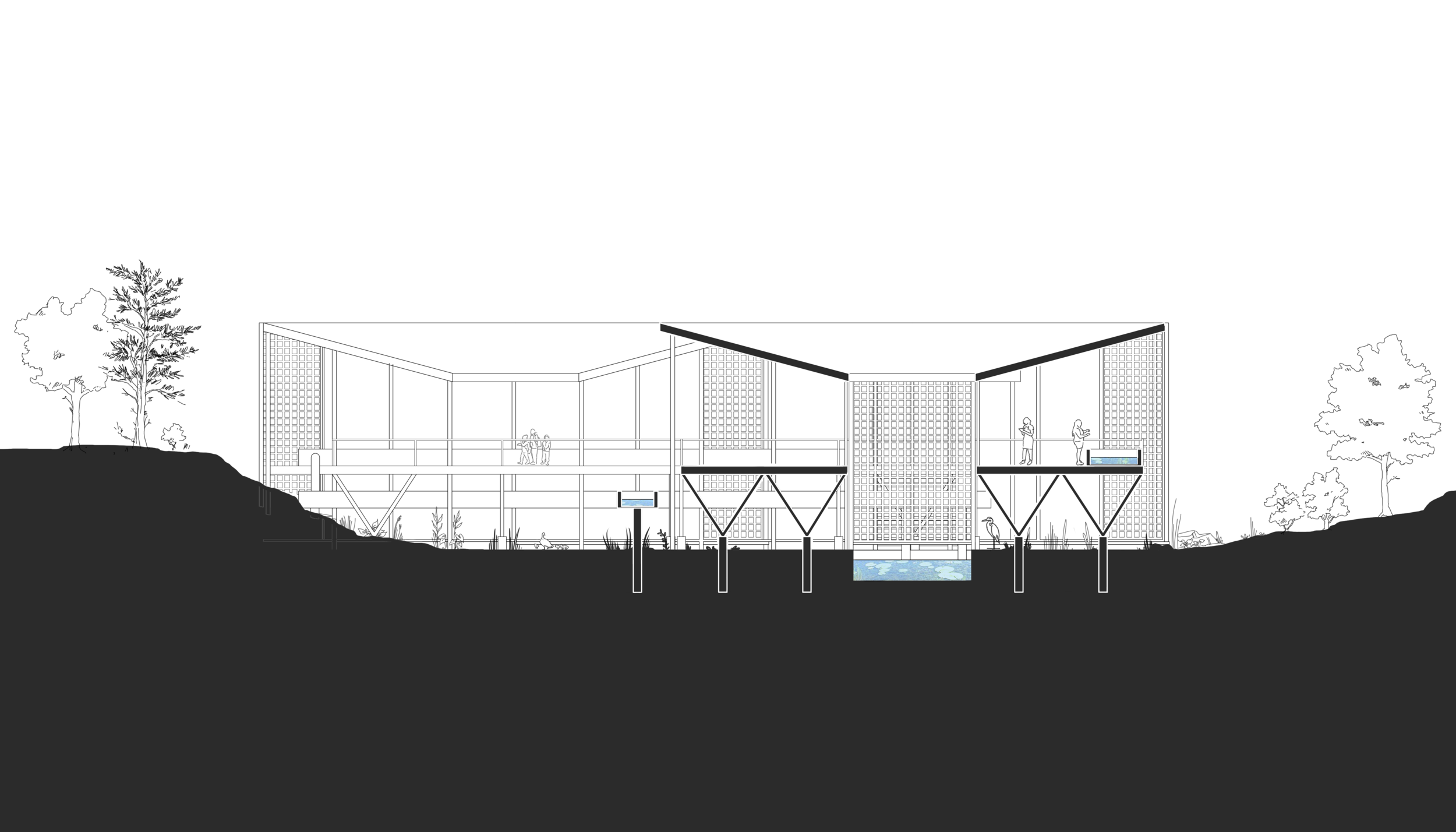
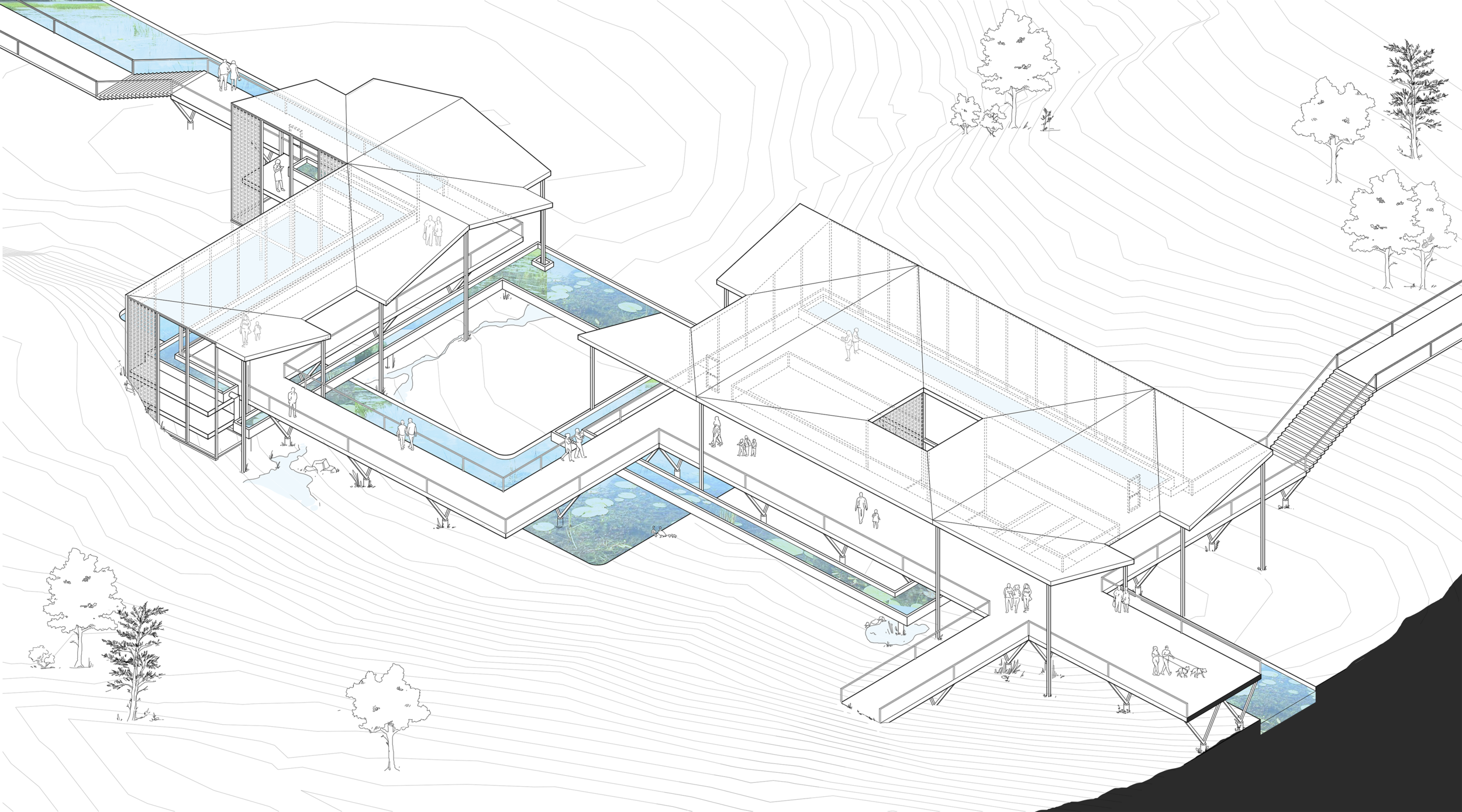
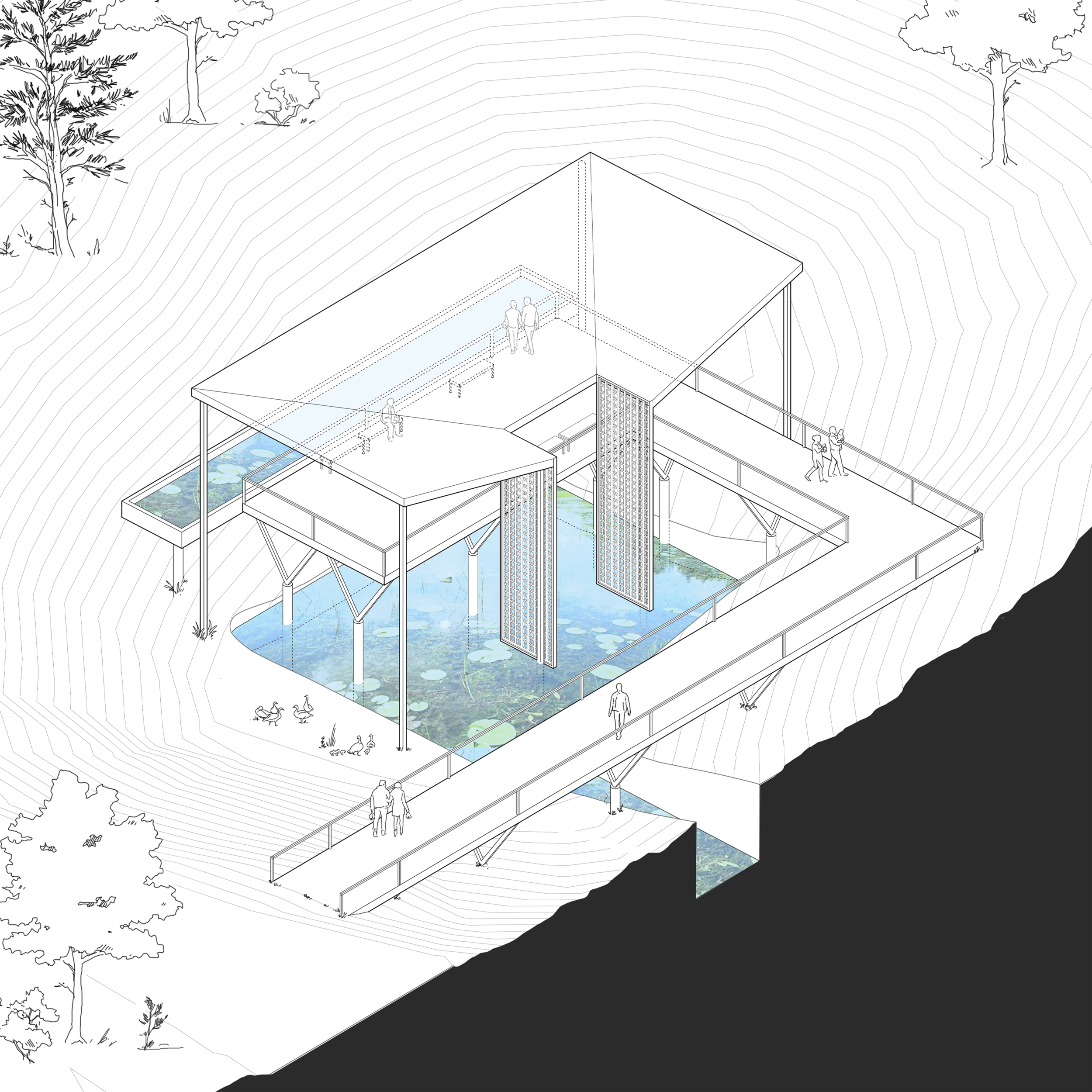
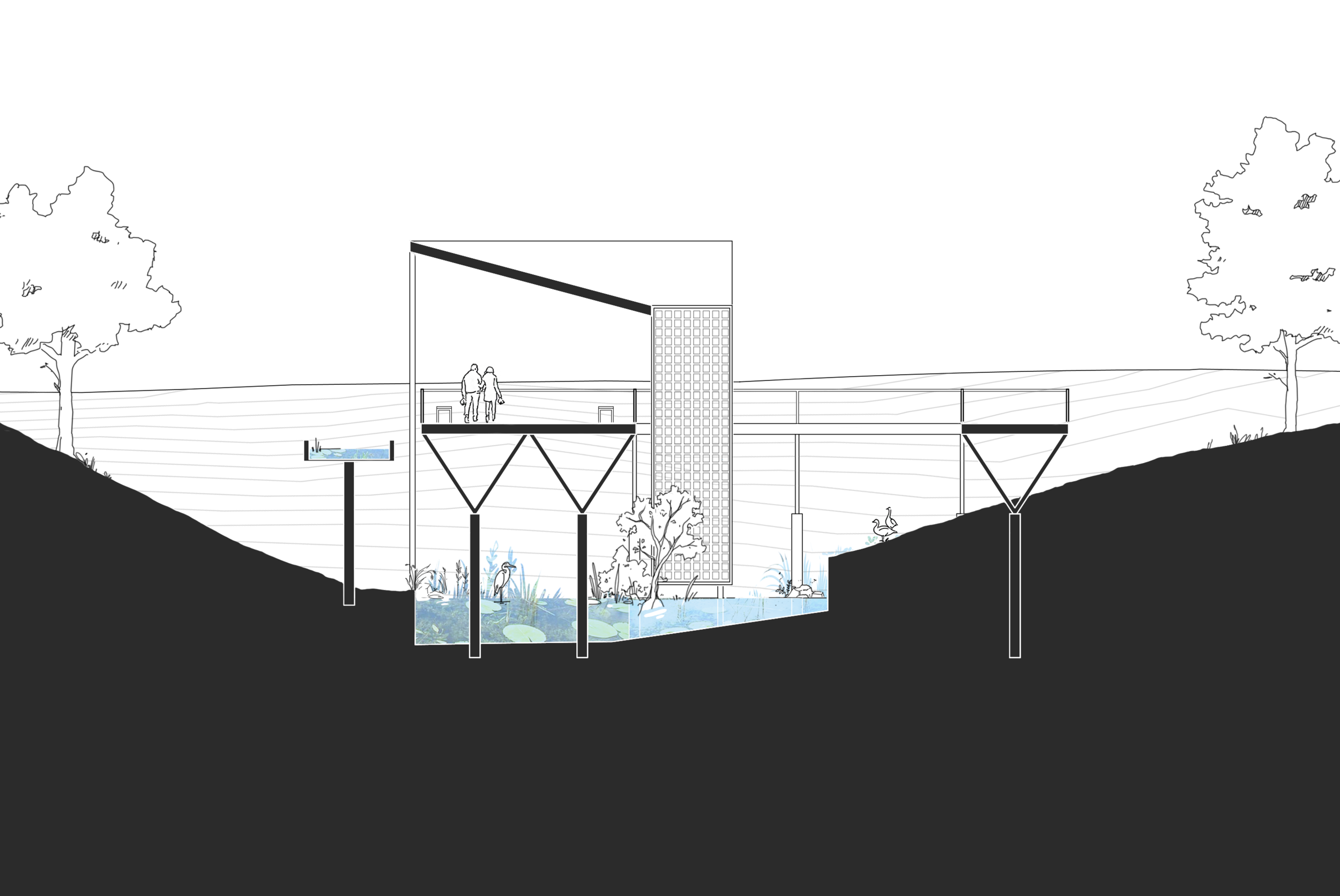
Wetland Rehabilitation Center
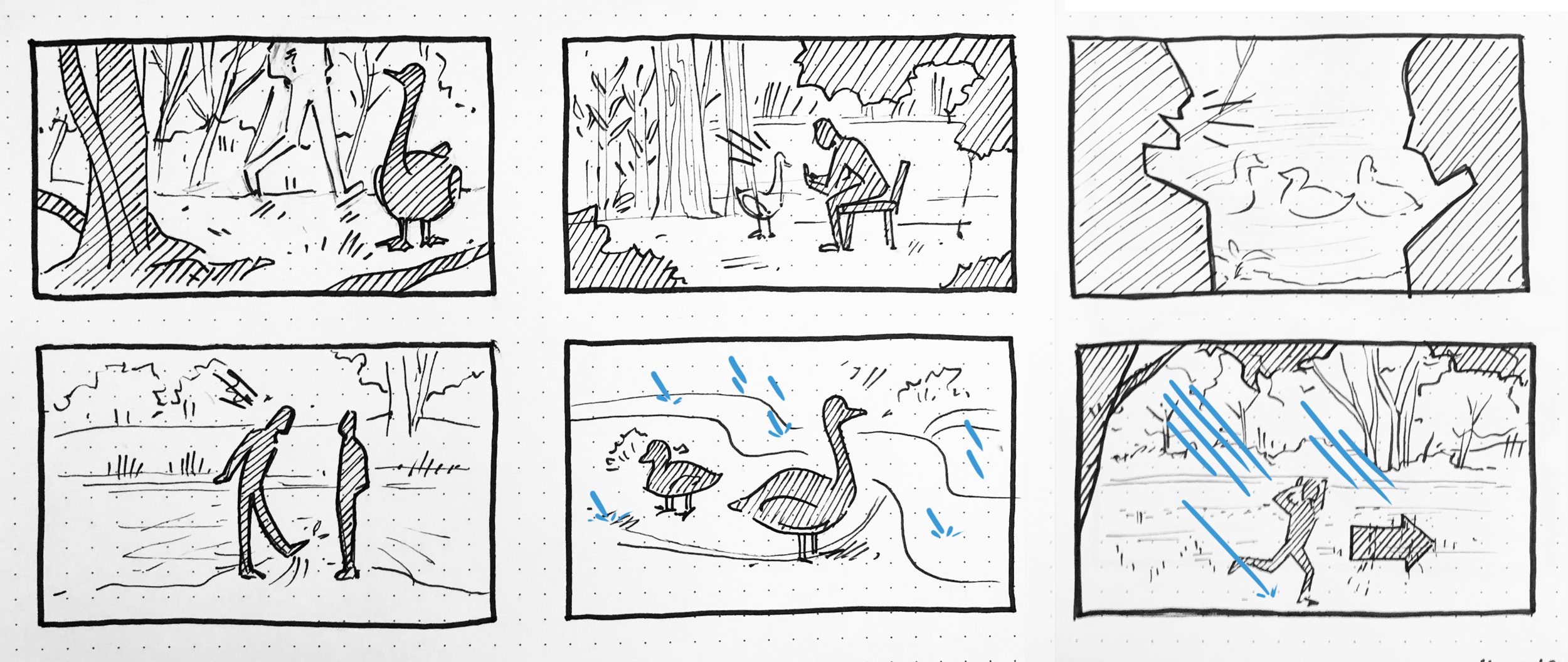
Three water collection systems—a bioswale, an aqueduct, and a series of folded roof forms—enable an architecture that can not only preserve local ecosystems, but encourage the growth of new symbiotic relationships between humans and ecological co-inhabitants. Each year, native species nurtured in greenhouses will be planted by the community. In this way, humans can actively engage in the wetland’s growth, sowing the seeds for future stewardship. In 20 years time, what relationships will flourish?
Academic, MIT
14 Warren Street
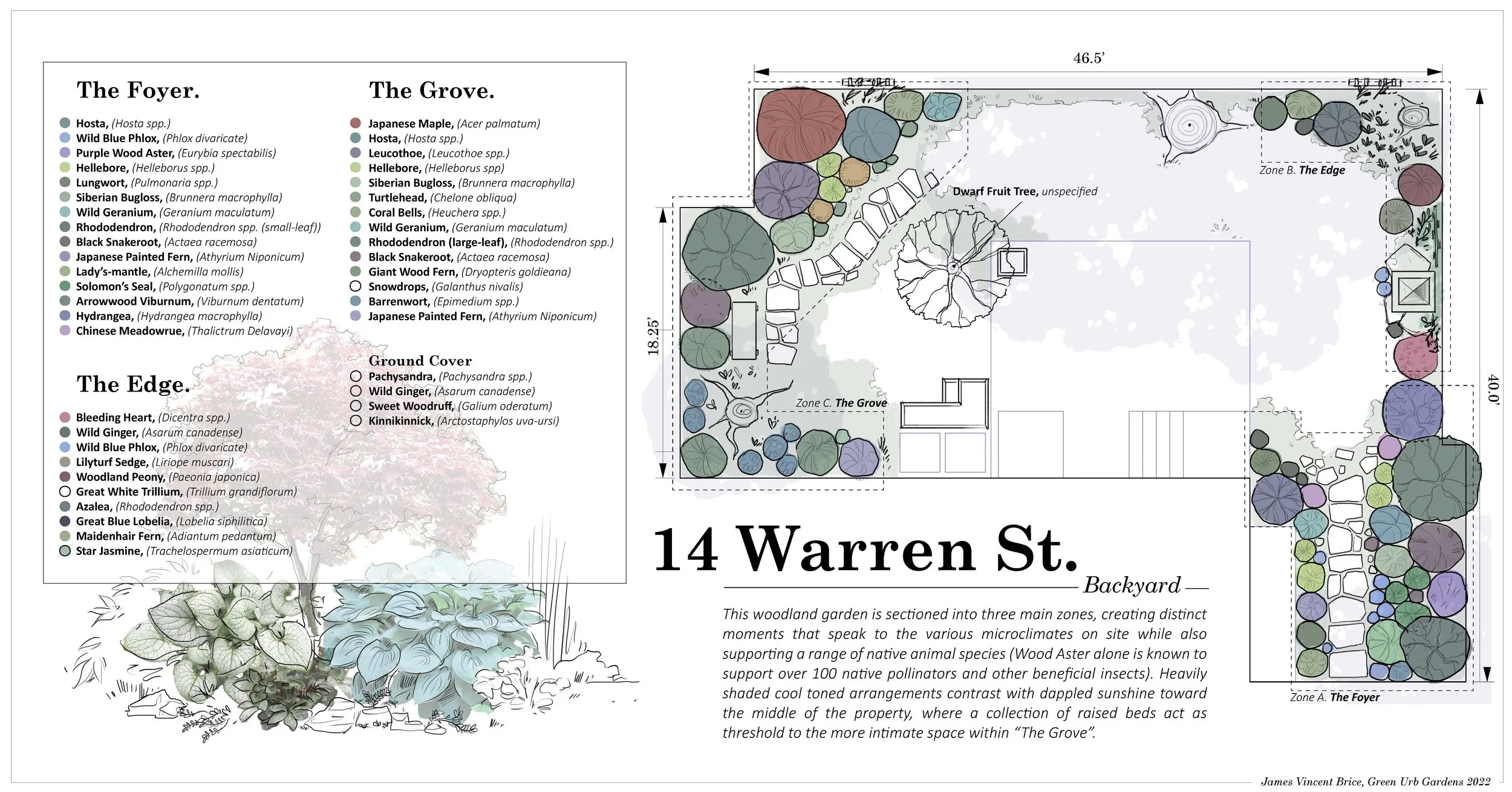
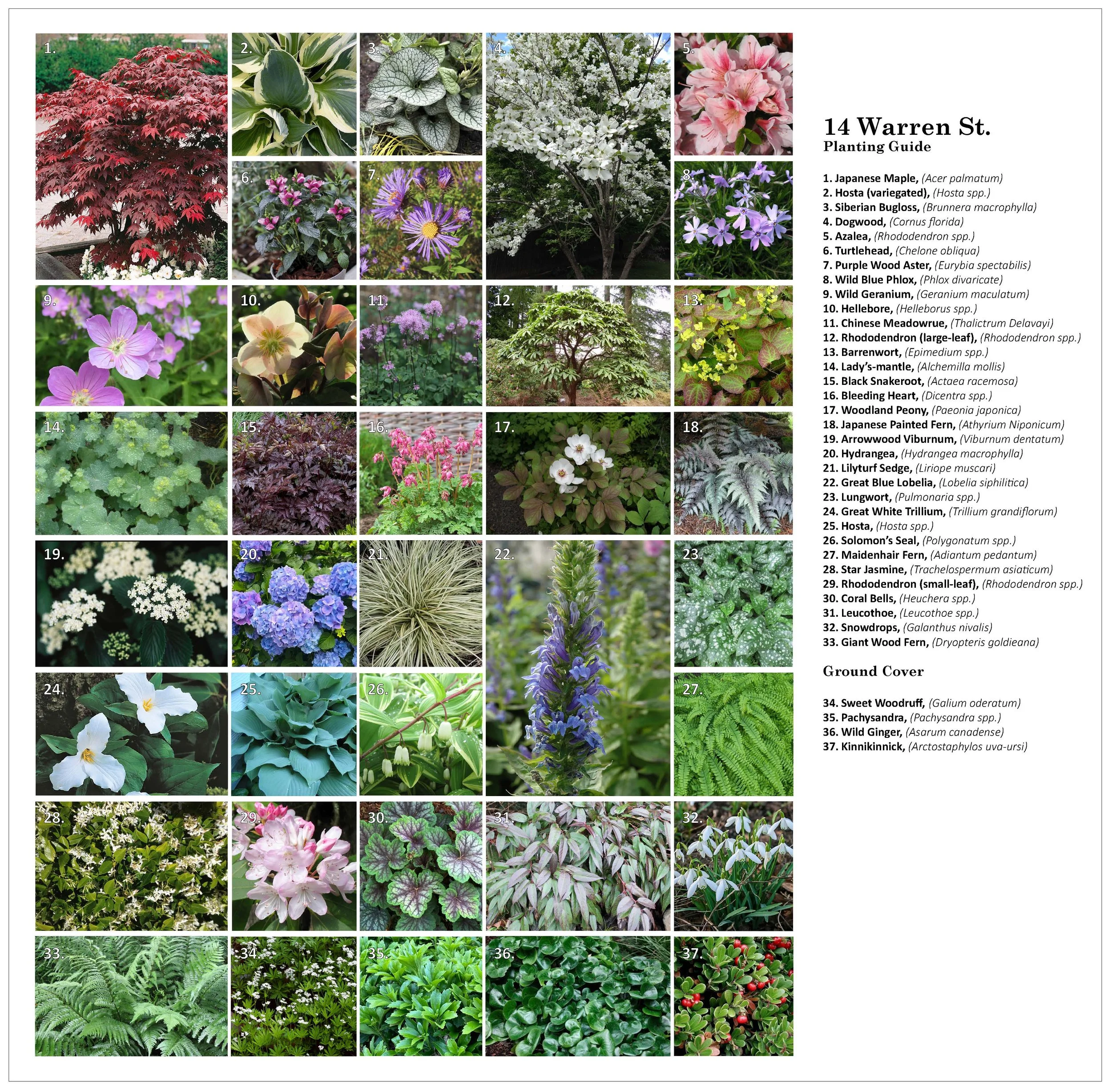
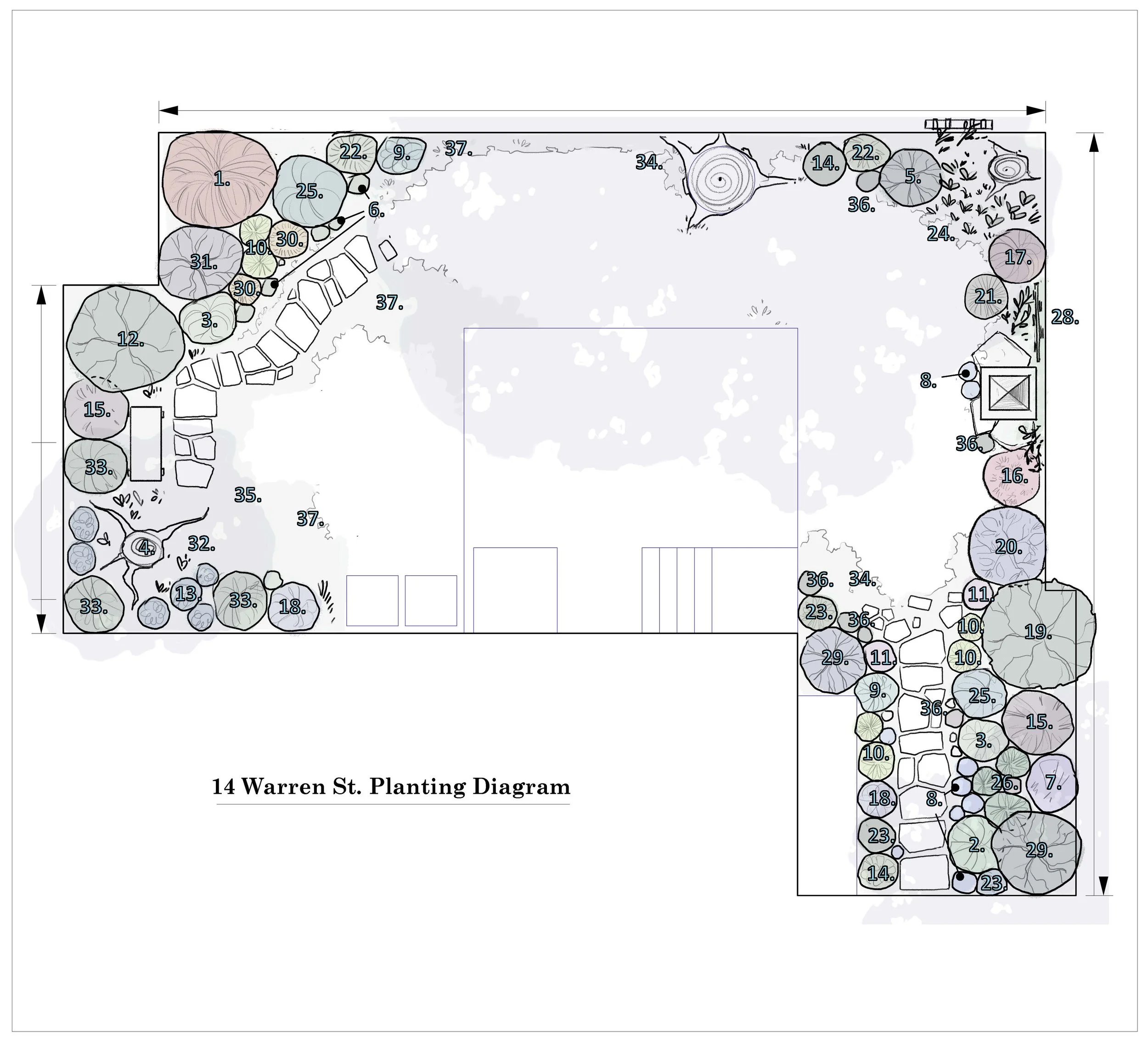
A backyard design done in collaboration with the president of Green Urb Gardens, Meghan O’Connell, MCH. This woodland garden is sectioned into three main zones, creating distinct moments that speak to the various microclimates on site while also supporting a range of native animal species (Wood Aster alone is known to support over 100 native pollinators and other beneficial insects). Heavily shaded cool toned arrangements contrast with dappled sunshine toward the middle of the property, where a collection of raised beds act as threshold to the more intimate space within “The Grove”. On-site progress photos coming soon.
Professional, Green Urb Gardens
Superposition of Ecological States
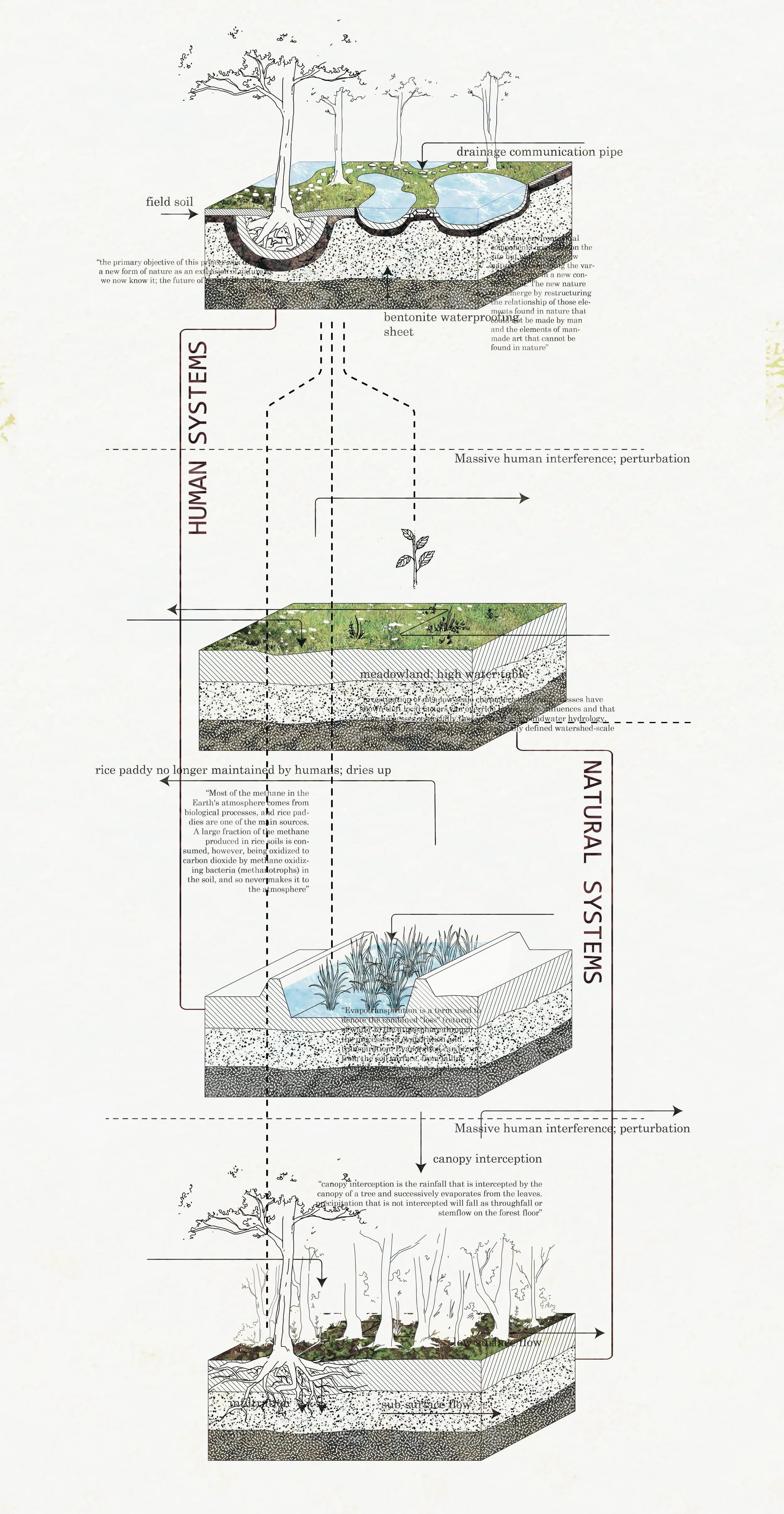
Work that begins to question ways of seeing human development as a strong but positive force in landscape ecology over various temporal scales. How can the superposition of these systems often kept separate help us reframe our society’s conception of human relationships with the Earth?
Academic, MIT
Library as Growth Medium
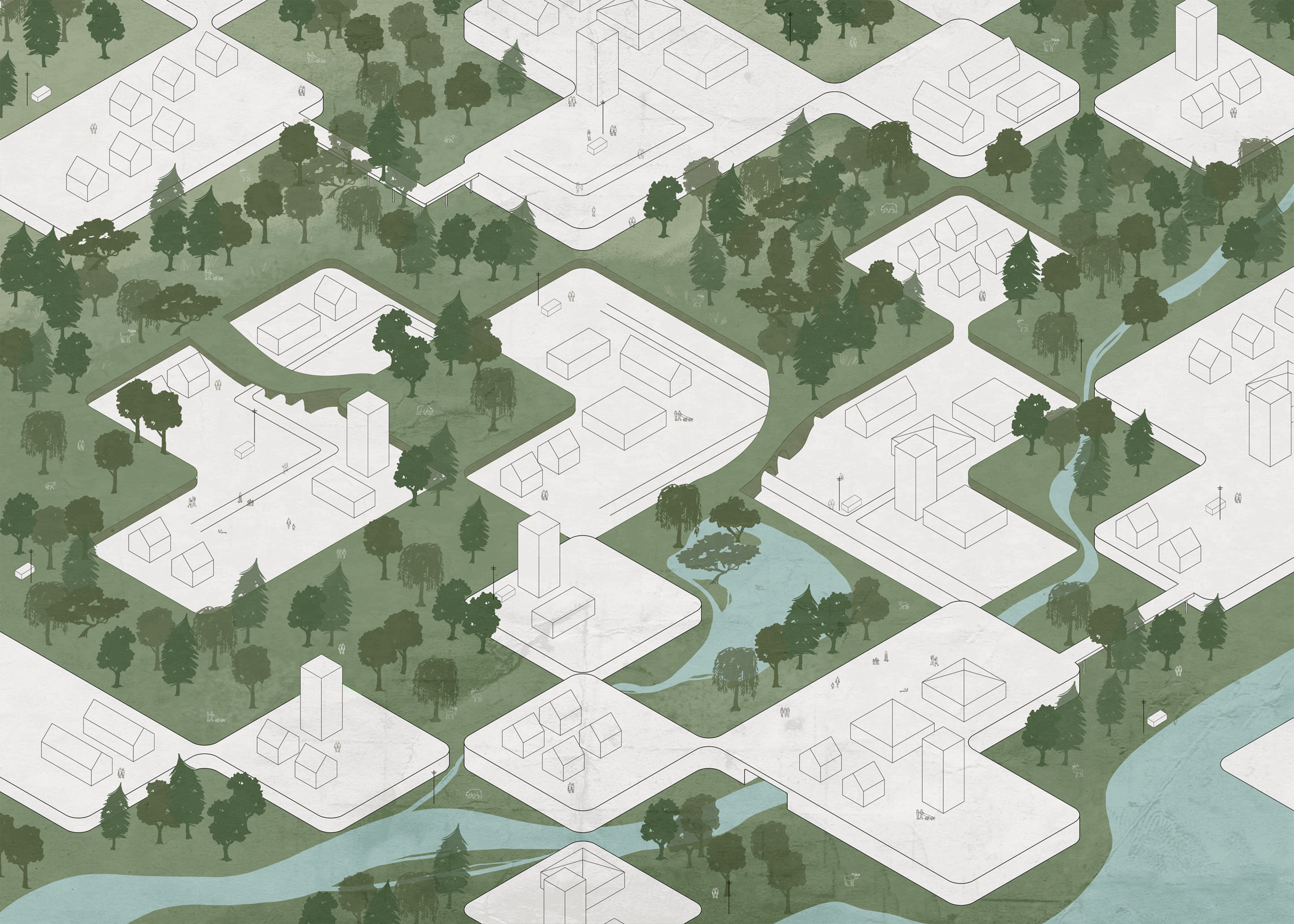
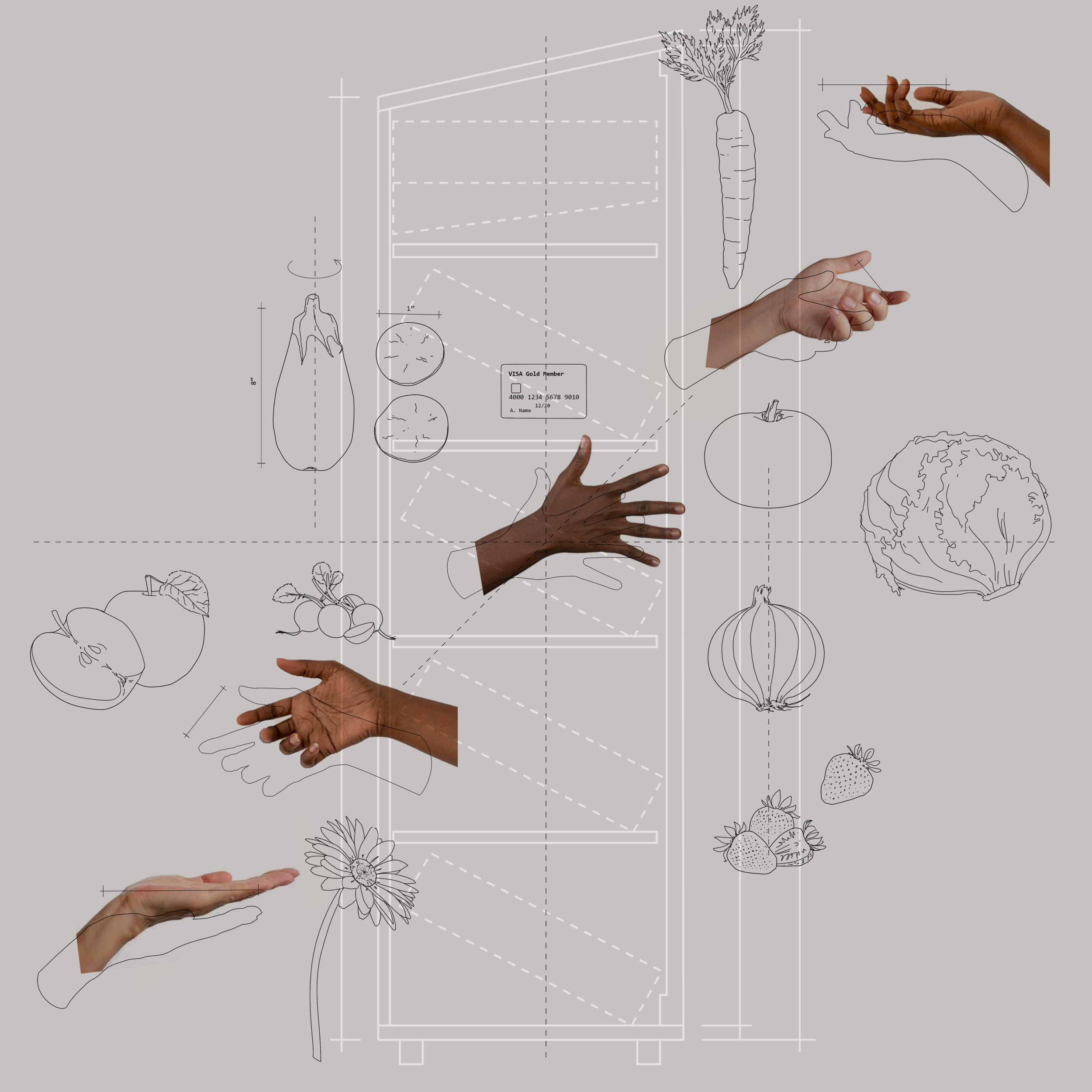
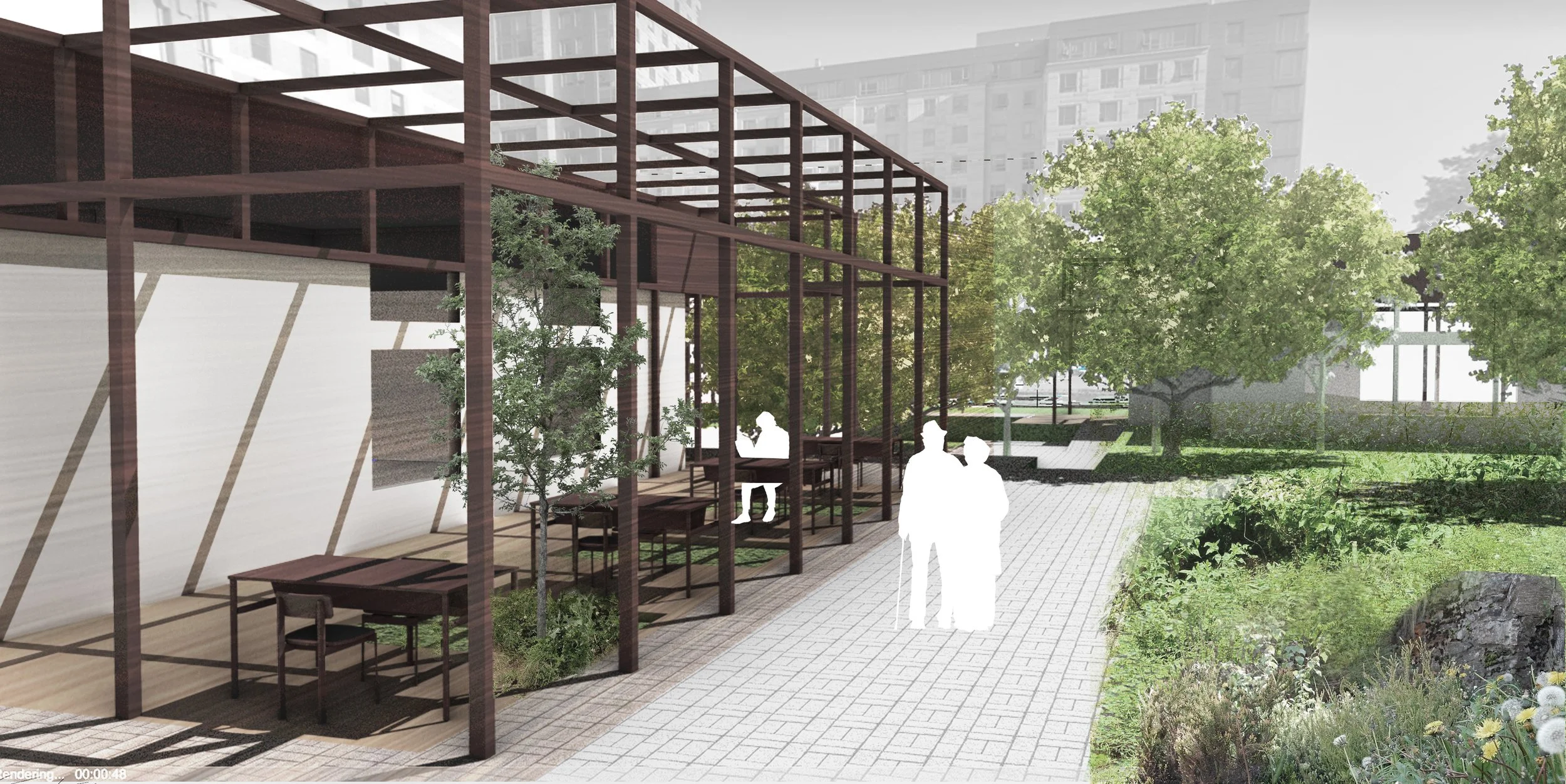
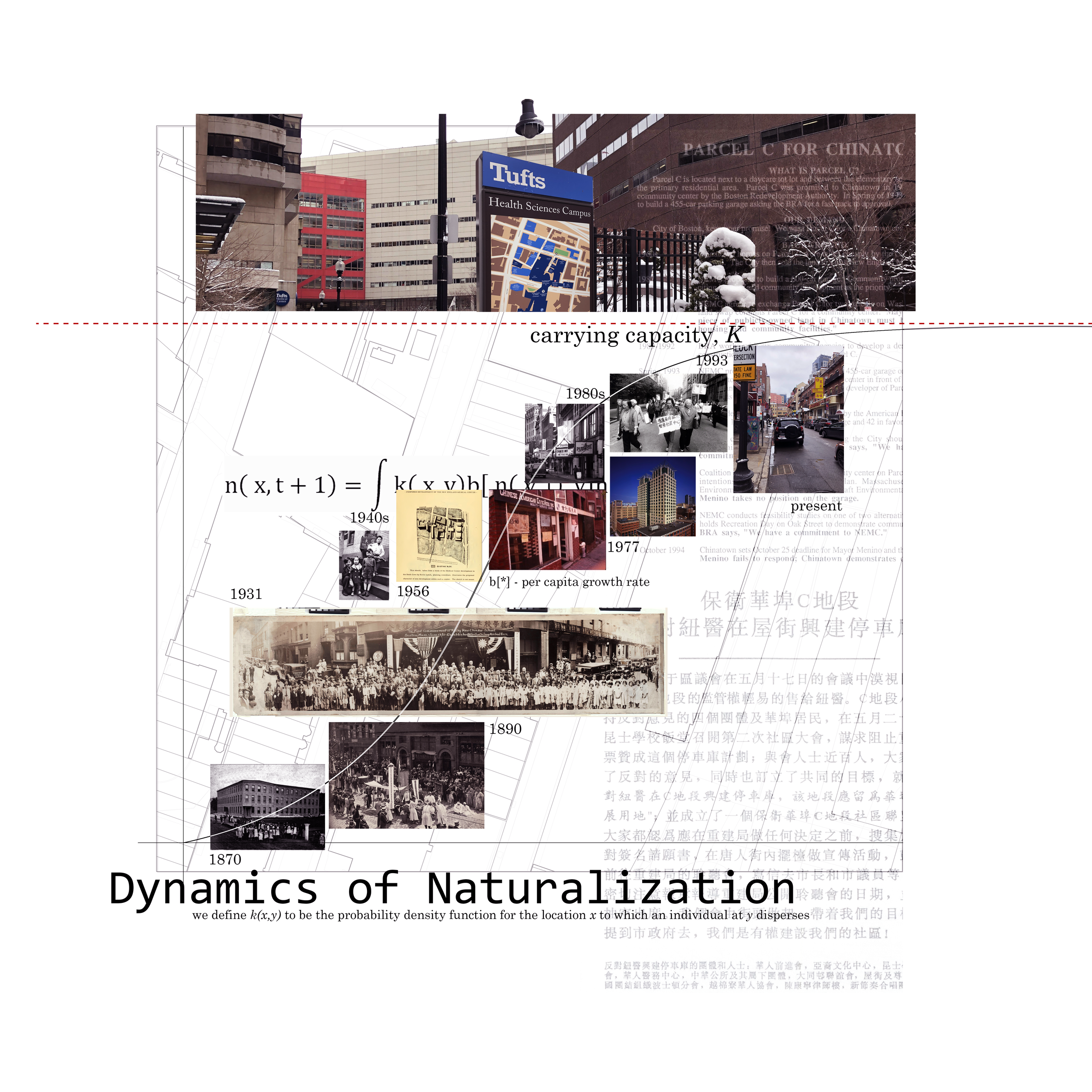
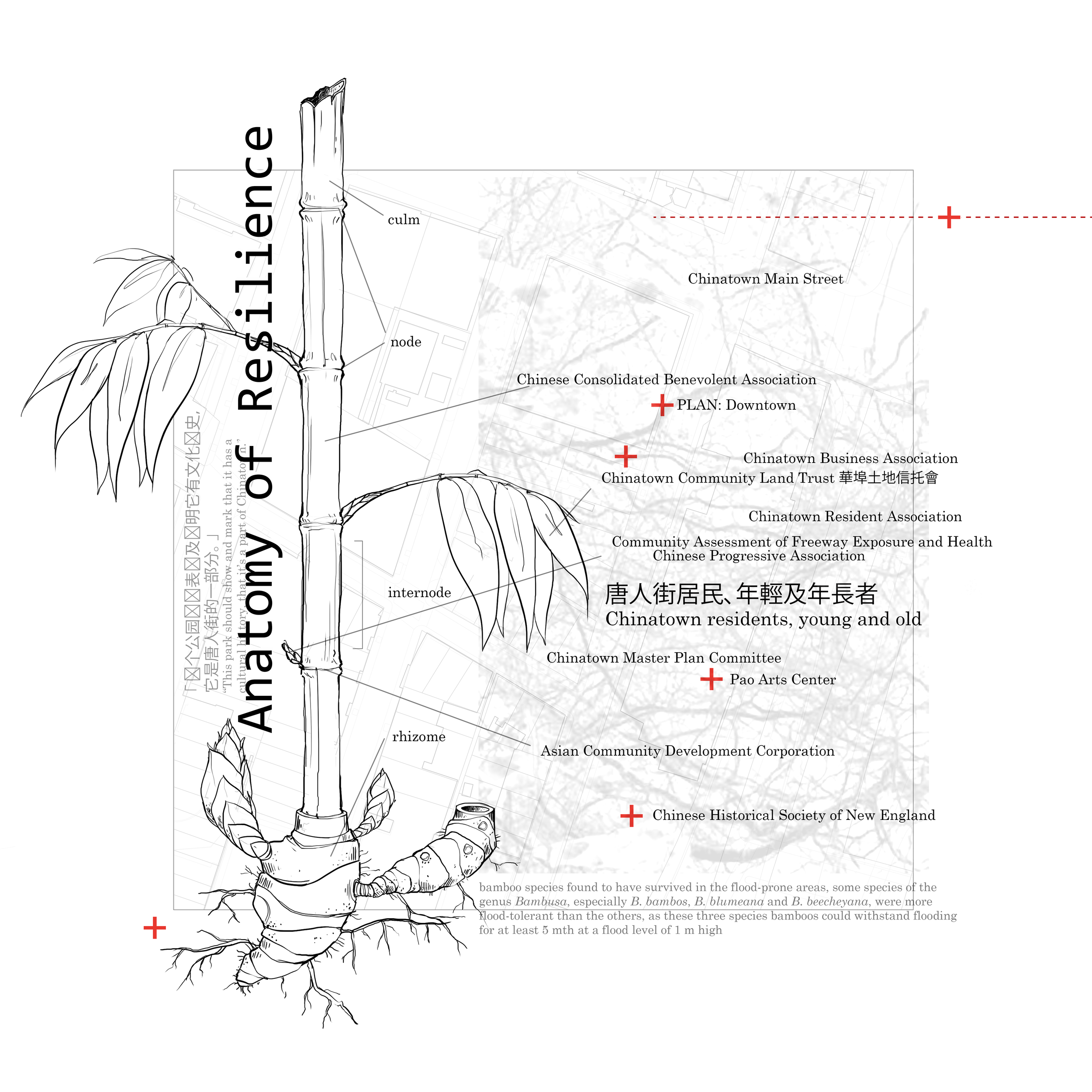
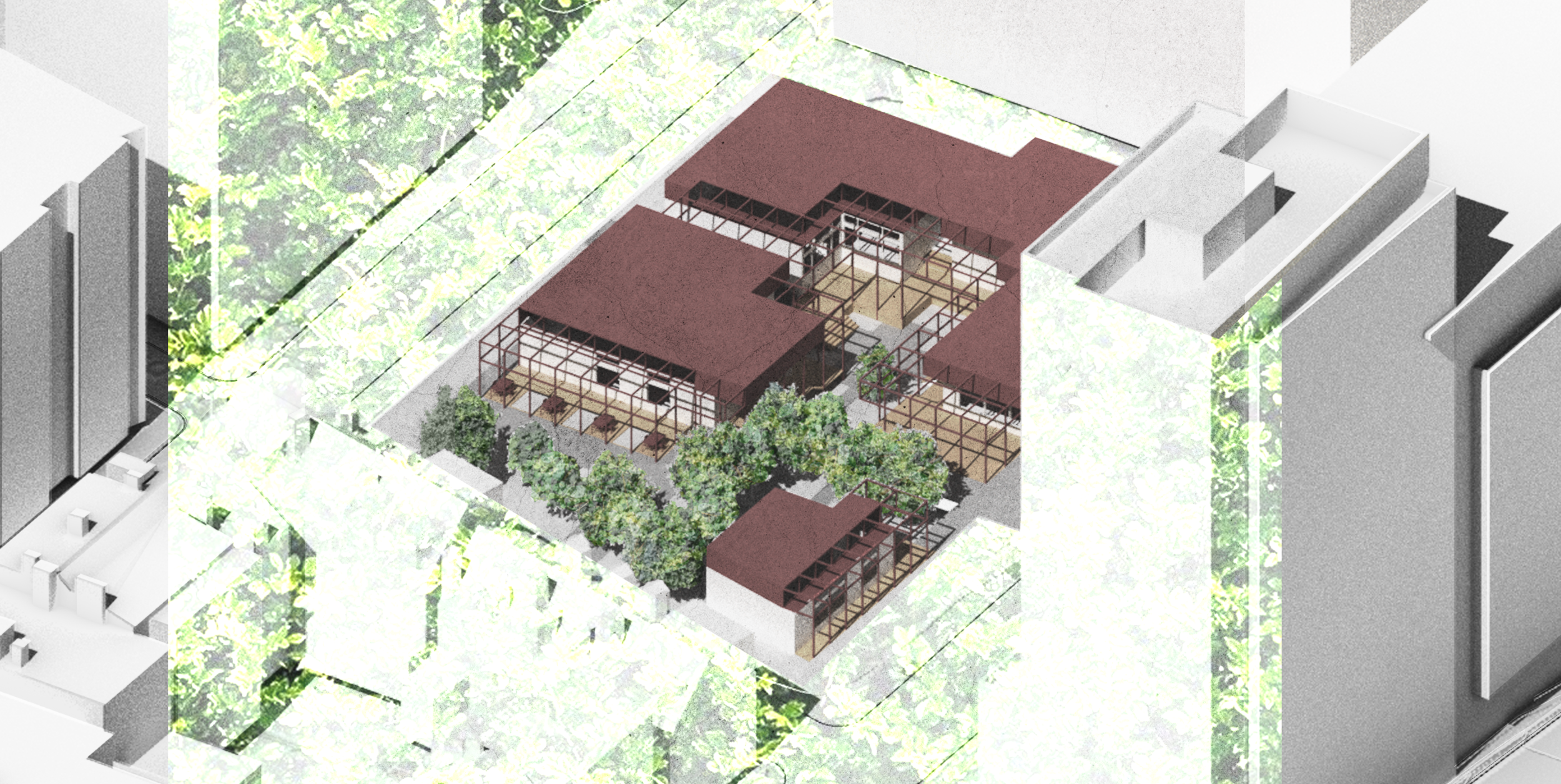
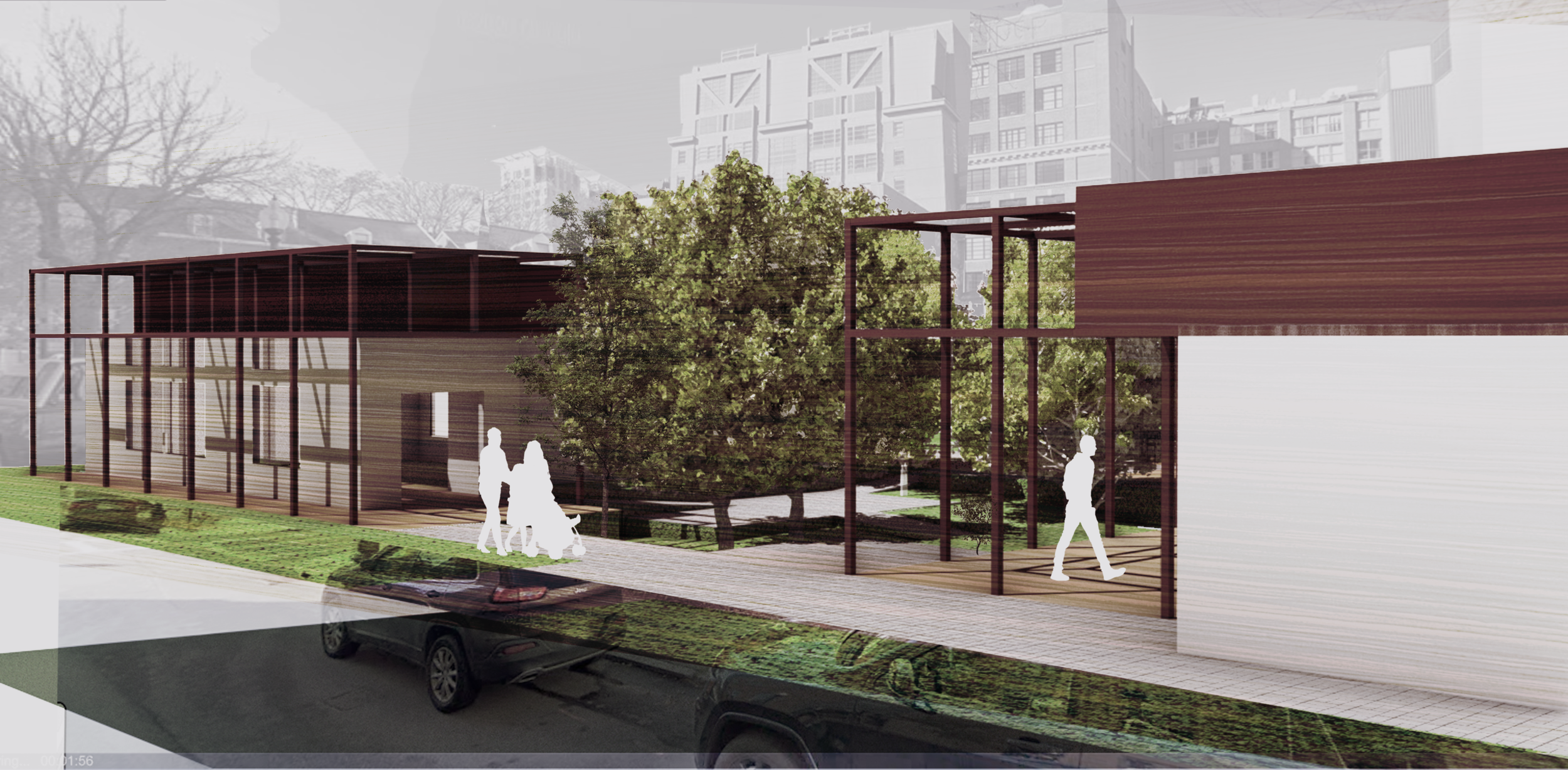
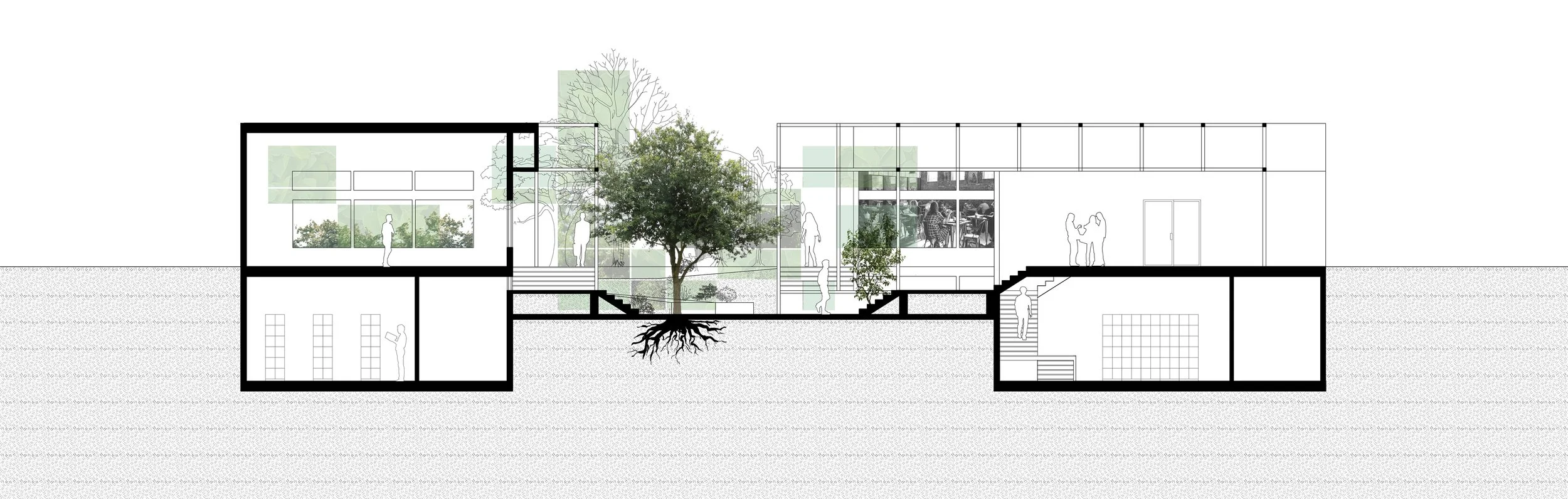
This project aims to interrogate how social infrastructure can act as a catalyst for community interaction; the library as growth medium - encouraging the emergence of both ecological and social phenomena at the population level through the interspersing of programmed microclimatic spaces across the site. Here the library acts a node, an anchor point in the larger rhizomatic network of Chinatown's cultural and environmental resilience infrastructure. By creating direct ties to local community lead organizations and conservancy groups, this library can focus efforts and offer needed physical space, while simultaneously decentralizing and broadening reach.
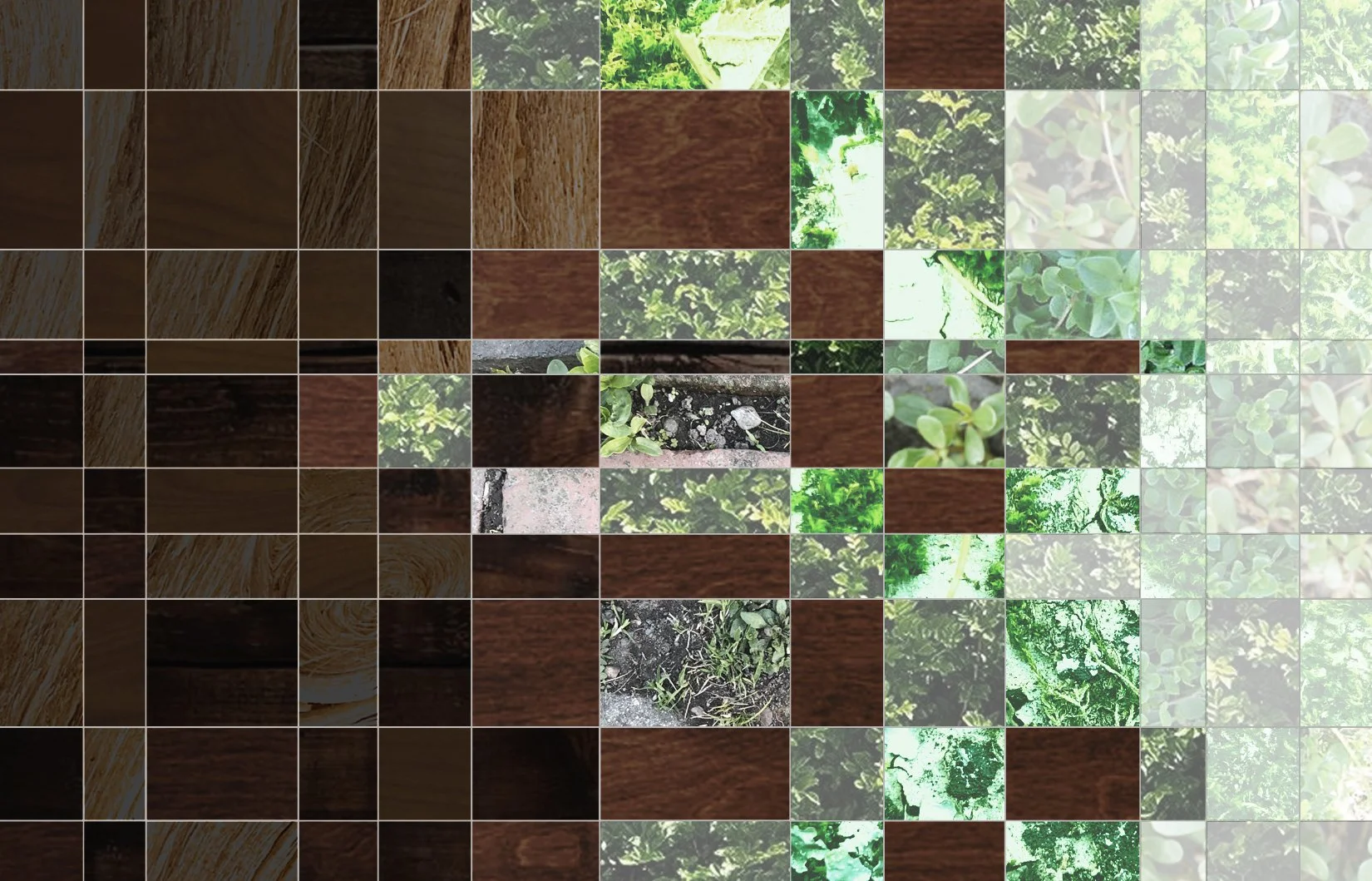
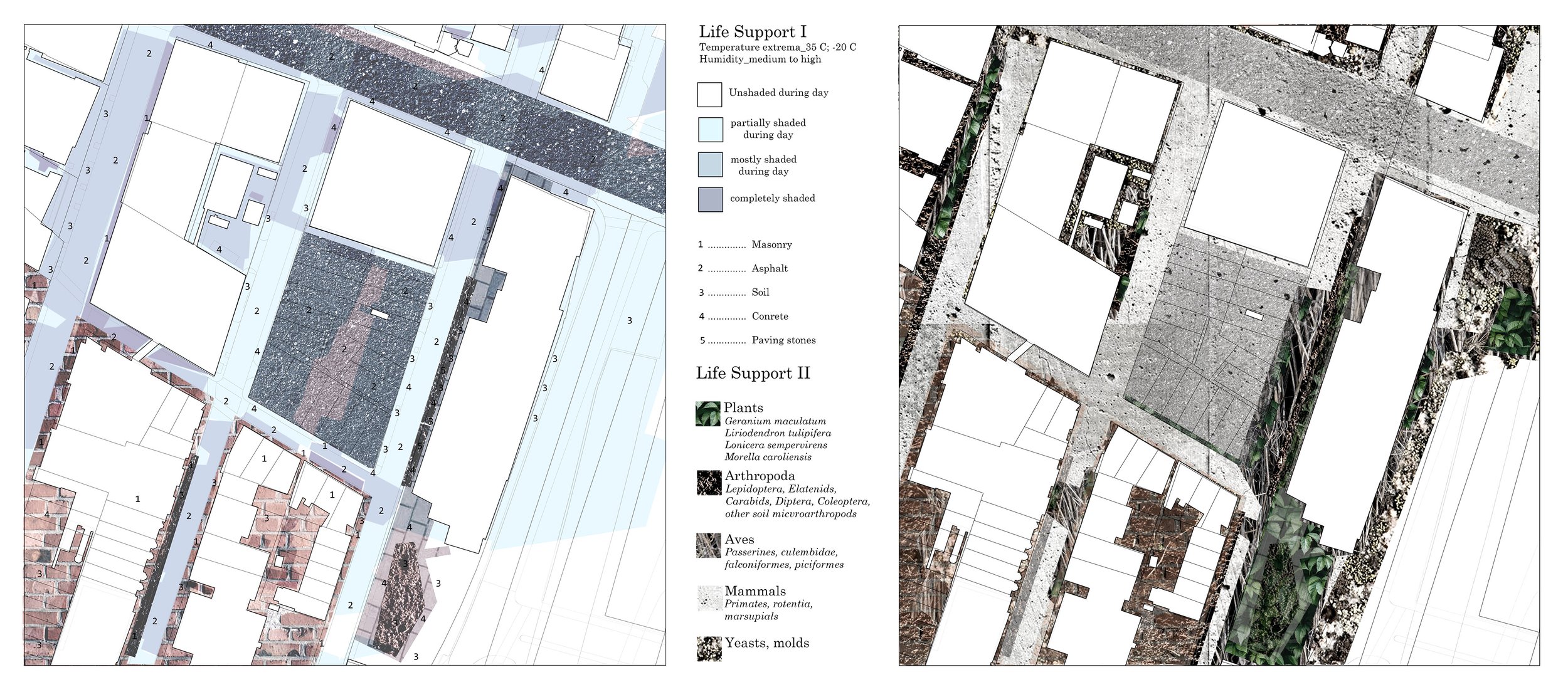
Special attention was paid to environmental factors as they change with various degrees of interiority on the site. By cross-referencing humidity, lighting, and temperature conditions for various programs against optimal conditions for growth of species within certain microclimates, a hybrid organization of multispecies programming emerges.
Academic, MIT
BIRD HOUSE
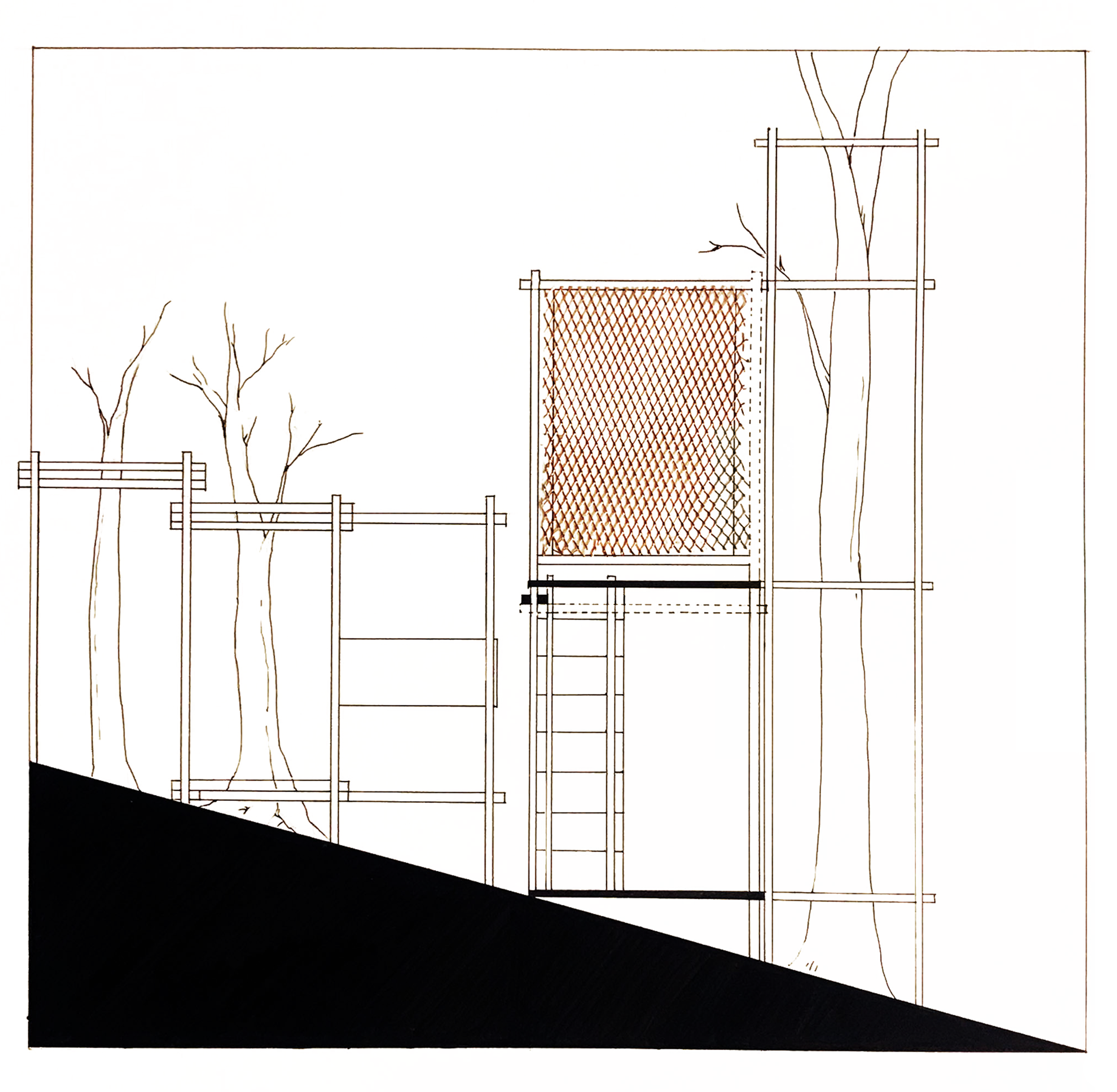
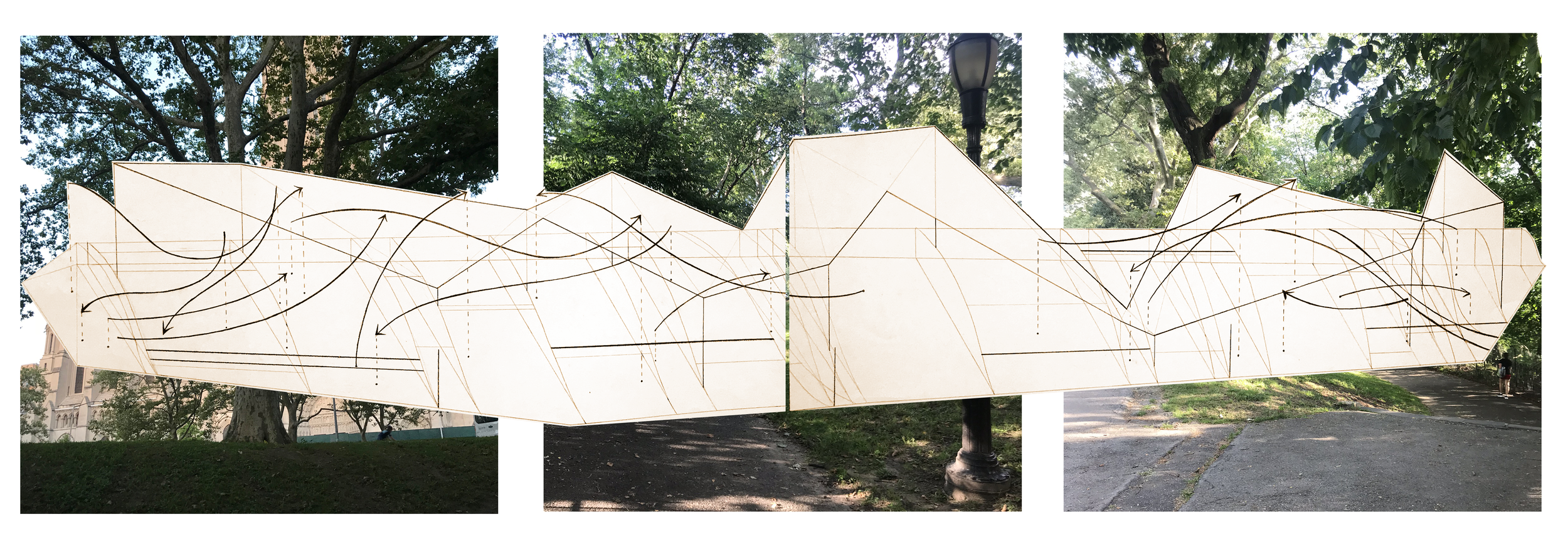
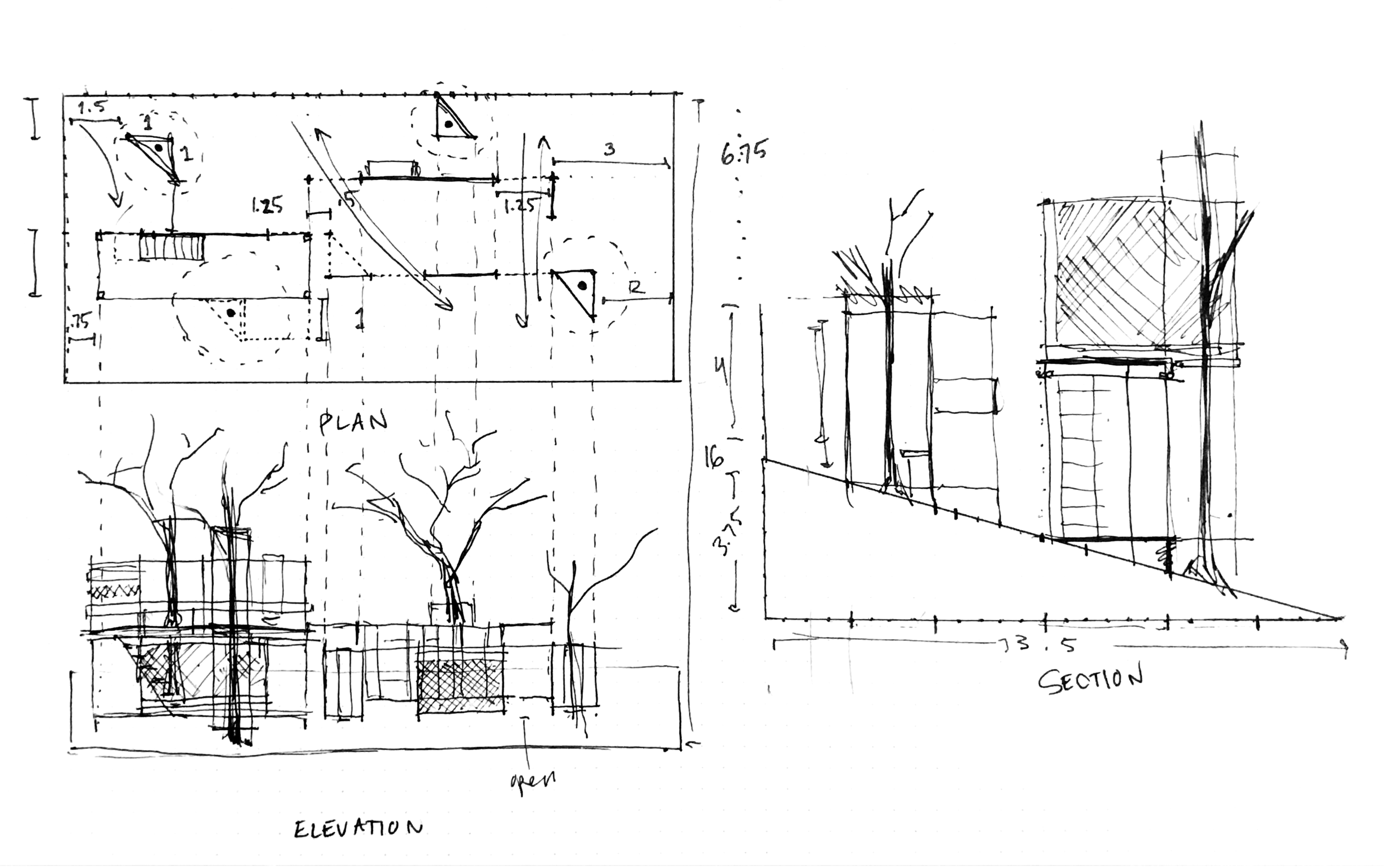
A path travels north-south along Riverside Drive. At its intersection with 120th street, a small tributary branches off enclosing a green space within its boundary. Capped on both sides by small staircases, a lower elevation contributes to a sense of meditative retreat. Here pedestrians and local wildlife coexist but rarely interact, chance meetings occurring by the patchwork pattern of natural light cascading through the trees, or by lamp after dusk. An overlay of living and non-living environmental elements suggest pockets in space where these encounters already occur, and a certain potential energy where they do not.
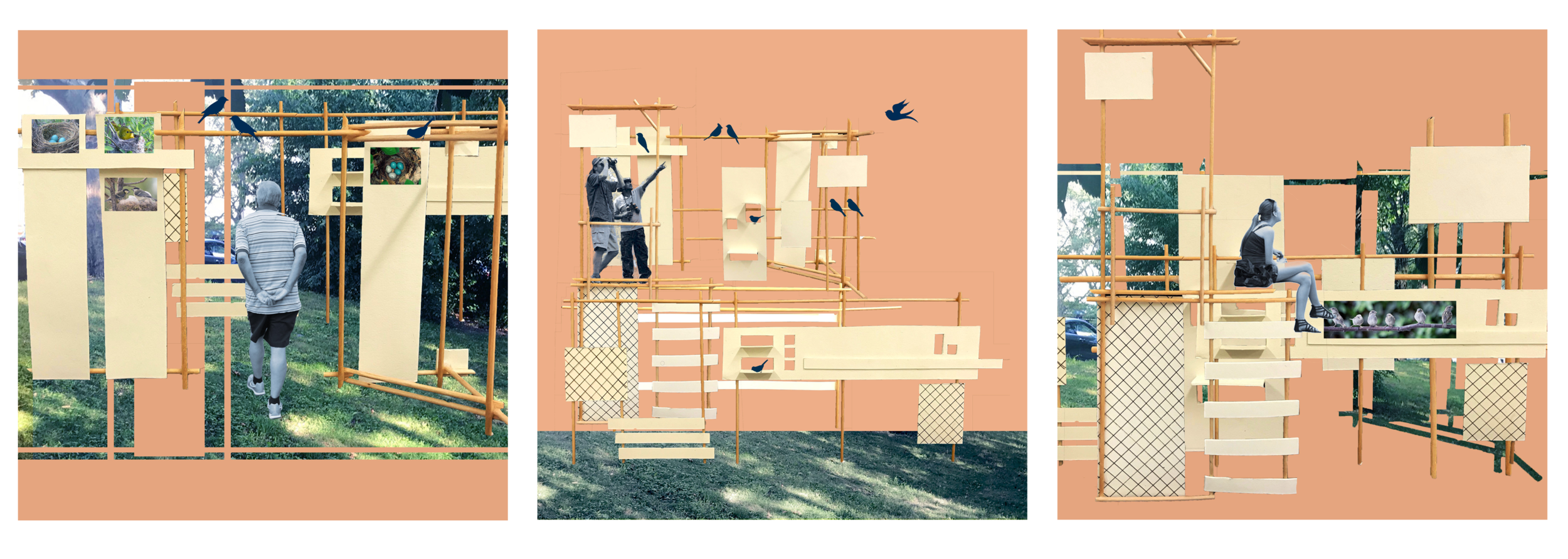
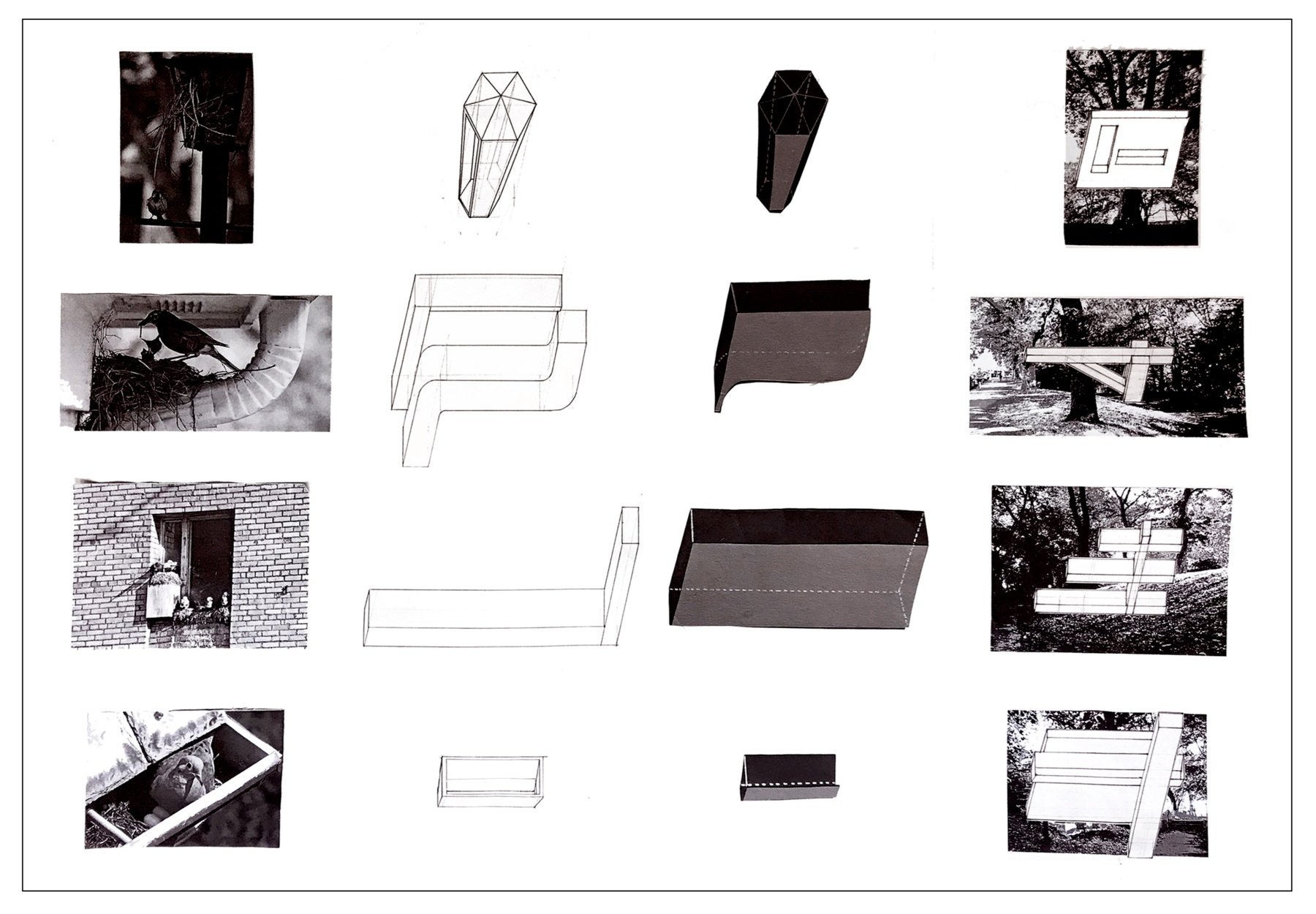
BIRD HOUSE proposes an intervention in the middle section of this green space: a channel through which humans and other living things can navigate, encouraging the collision of these previously separate energies. Stairs signaled by a threshold act as a guide for pedestrian movement, while perching and nest box-inspired forms invite native bird species to roost. This intervention will act as a bridge between nature and the urban environment, an alcove, serene, a space for individuals to meditate upon their position within the intersection of these worlds.
Academic, Columbia GSAPP